According to QIC’s chief economist, Matthew Peter, the Fed’s statements on holding the cash rate for the next three years has had a dour impact on markets, which have previously been boosted due to the “whatever it takes and more” mentality of central banks.
“Back in March, the swift and massive easing of monetary policy by the Fed and other central banks did two things to lift equity market sentiment. First, it staved off the risk of dislocation in short-term money markets and avoided a severe credit squeeze, ala the GFC.”
“Second, it gave investors comfort that in the face of further deterioration in the outlook, central banks would step up the policy dose, the so-called Fed put, which limits the downside to equity prices,” Mr Peter explained.
However, despite improving economic conditions, declining COVID-19 cases and strong gains in investor sentiment, the Fed’s comments on medium-term growth for the US saw markets fall.

“But this week, Fed chair Powell hosed down expectations of a sharp economic recovery and any prospect of an inflation outbreak, and with that, virtually no chance of a hike in the Fed funds rate for the next three years,” Mr Peter said.
“The Fed’s economic forecasts revealed a sombre view of growth, with US GDP expected to fall by 6.5 per cent this year, and the economy to take another three years to fully recover.”
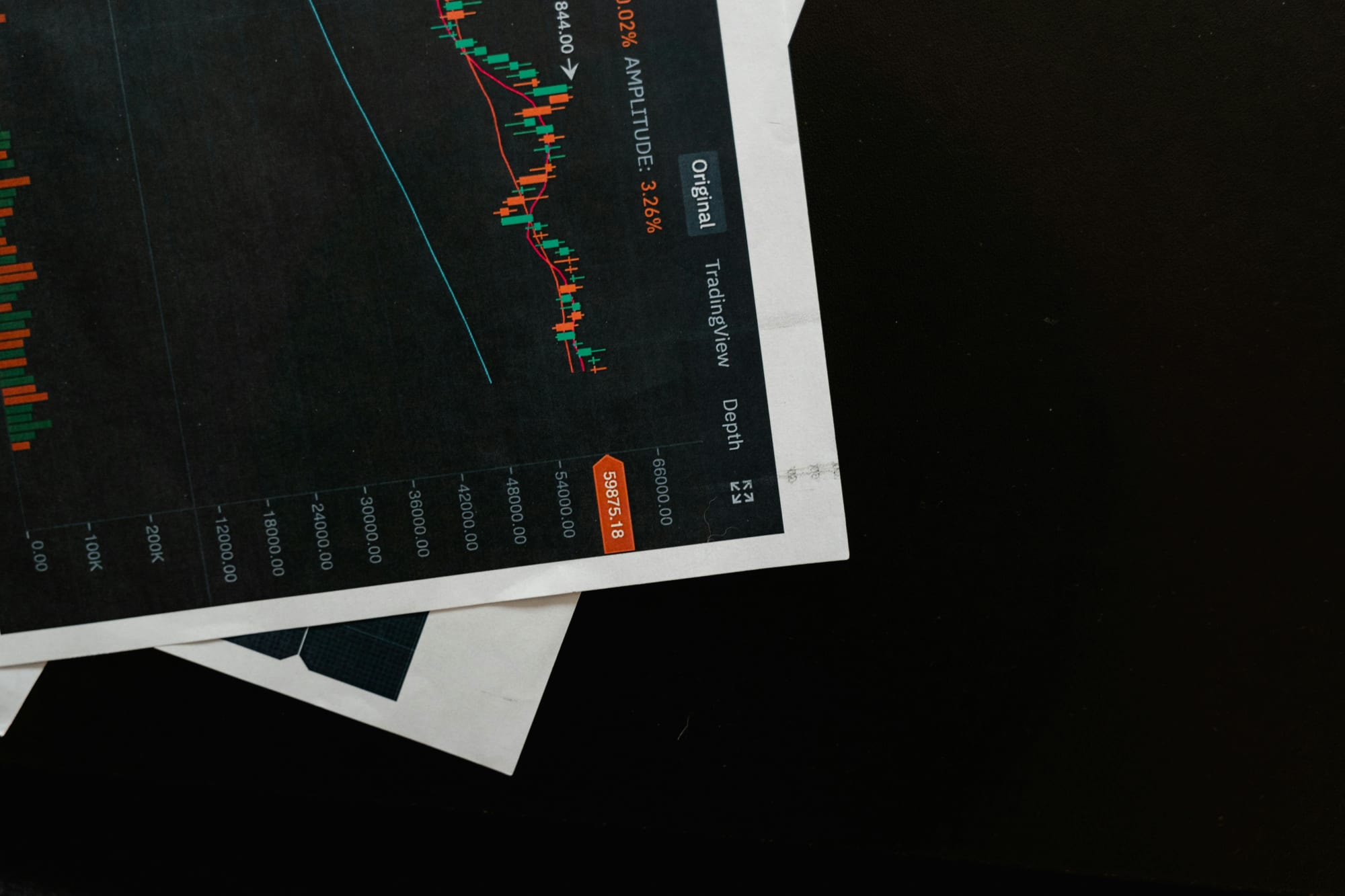
Australia’s ASX 200 fell from 6,177 points on Tuesday to a low of 5,867.
The Australian market was not in isolation, with the US S&P 500 falling by 3.5 per cent, the Japanese Nikkei 225 falling by 1 per cent and the England’s FTSE 100 giving up 4.2 per cent by 11 June.
Did you enjoy this article? You may also be interested in:
- The 'buy now, ask later' investment strategy
- Is the share rally sustainable?
- Is it time to expand your investment horizon?