Invest
‘Skilled migrants are key for future economic growth’: Frydenberg
Projections about the size of the Australian economy are set to be redrafted, with the country now very unlikely to meet population growth targets tailored prior to the pandemic.
‘Skilled migrants are key for future economic growth’: Frydenberg
Projections about the size of the Australian economy are set to be redrafted, with the country now very unlikely to meet population growth targets tailored prior to the pandemic.
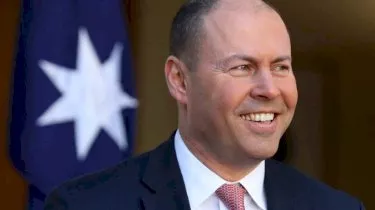
On a recent exclusive podcast hosted by Momentum Media, Treasurer Josh Frydenberg confirmed that while Australia’s closed border policy saved lives, it also led to a stall in population growth to a degree not witnessed in a century.
This prolonged drought of immigration will, he confirmed, yield further consequences on the economy.
“Net overseas migration has gone negative,” Mr Frydenberg said.
“And so, while we’ll pick up our immigration levels into the future, we may not necessarily pick up the numbers of people who otherwise would have come if the borders had remained open over the course of the pandemic, which means that our projections about the size of the Australian economy will have to change, and the size of the population will have to change.
“And the size of our population will not be as big as what we’d forecast previously pre-pandemic at a certain period of time.”
He stressed the importance of skilled migration to Australia’s economic recovery.
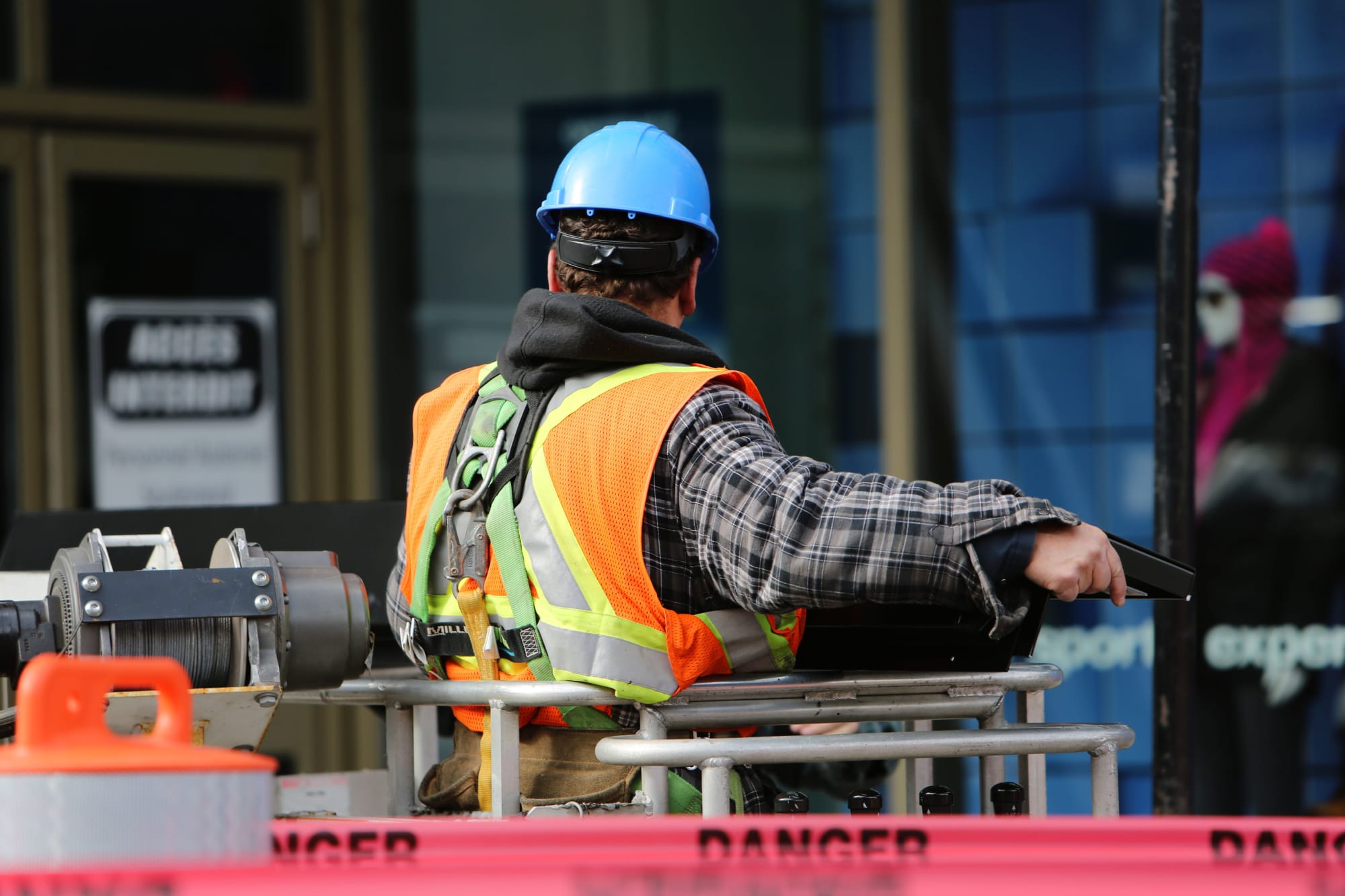
“There were skilled shortages that we’re seeing across the economy and in construction, some of the mining sectors, engineering, I speak to a number of professional services firms in respect to IT, and some of those workers as well,” the Treasurer said.
“So, we have seen labour force shortages across various sectors of the economy and, therefore, being able to bring in skilled migrants is going to be important for our economic growth into the future.”
Just this week, the former treasurer of NSW and current Premier, Dominic Perrottet, drew attention to the importance of opening international borders to plug the “general labour” shortage and ensure a healthy economic recovery.
“If we lose this opportunity, those skilled migrants will go to other countries,” Premier Perrottet said on Tuesday.
And the stats back the government’s findings, with data from the Australian Bureau of Statistics (ABS) showing that job vacancies sat at 46 per cent above pre-pandemic levels in August.
“There were 334,000 job vacancies in August 2021, which was 36,000 less than in May 2021. However, this was still 106,000 more than at the start of the pandemic,” Bjorn Jarvis, head of labour statistics at the ABS, said at the end of September.
However, despite these sombre findings, the Treasurer is “pretty optimistic about where the economy is going”.
“As restrictions ease, we will see people back in work, and we’ll see businesses reopen and monetary policy will stay accommodative,” the Treasurer told Momentum Media.
“I’m optimistic and upbeat about the future prospects of the Australian economy.”
About the author
About the author
Economy
Australia’s inflation cools to 3.4% — why the RBA’s next move still isn’t a lay‑up for business
Headline inflation easing is good optics; balance sheets feel something different. With year‑on‑year CPI down to 3.4% in November from 3.8%, hopes for rate relief are rising — but policymakers remain ...Read more
Economy
Inflation cools to 3.4% — but the RBA’s reaction function keeps businesses on a knife-edge
Australia’s headline CPI edged down to 3.4% year-on-year in November, from 3.8%, easing immediate pressure but not eliminating the risk of further tightening. With services inflation sticky and ...Read more
Economy
Higher-for-longer, not higher forever: How Australia’s inflation ‘surprise’ is rewriting CFO playbooks for 2026
Australia’s latest inflation pulse eased but didn’t budge bank outlooks: near‑term rate cuts are still a long shot, with some houses flagging upside risk. That steadier‑for‑longer cash rate is pushing ...Read more
Economy
Australia's inflation illusion: the real challenge lies in pricing power and productivity
Headline inflation has cooled to 3.4% year-on-year, but the Reserve Bank’s caution—and a still‑hot housing backdrop—mean the rate threat hasn’t left the room. For boards, the next few quarters are ...Read more
Economy
When house prices lift, tills ring: A case study in turning Australia’s wealth effect into growth
Australia’s latest upswing in household wealth, anchored by higher dwelling values, is more than a feel‑good statistic—it is a profit and planning signal. The ABS notes property’s centrality to ...Read more
Economy
RBA's hawkish stance reflects inflation concerns, State Street economist comments
In a recent statement, the Reserve Bank of Australia (RBA) has signaled a hawkish stance on interest rates, drawing insights from financial experts about the implications for Australia's economic ...Read more
Economy
Navigating the inflation maze: How CFOs can outsmart economic hurdles in Australia
Fresh inflation data have cooled expectations of near-term rate cuts in Australia, intensifying pressure on margins, capital allocation and demand. Rather than wait for monetary relief that may not ...Read more
Economy
Inflation concerns rise as Australia's CPI climbs to 3.8% in October
Australia's latest Consumer Price Index (CPI) figures have sent ripples through the economy, with headline inflation accelerating to 3.8% year-on-year in October, up from 3.6% in September. The data, ...Read more
Economy
Australia’s inflation cools to 3.4% — why the RBA’s next move still isn’t a lay‑up for business
Headline inflation easing is good optics; balance sheets feel something different. With year‑on‑year CPI down to 3.4% in November from 3.8%, hopes for rate relief are rising — but policymakers remain ...Read more
Economy
Inflation cools to 3.4% — but the RBA’s reaction function keeps businesses on a knife-edge
Australia’s headline CPI edged down to 3.4% year-on-year in November, from 3.8%, easing immediate pressure but not eliminating the risk of further tightening. With services inflation sticky and ...Read more
Economy
Higher-for-longer, not higher forever: How Australia’s inflation ‘surprise’ is rewriting CFO playbooks for 2026
Australia’s latest inflation pulse eased but didn’t budge bank outlooks: near‑term rate cuts are still a long shot, with some houses flagging upside risk. That steadier‑for‑longer cash rate is pushing ...Read more
Economy
Australia's inflation illusion: the real challenge lies in pricing power and productivity
Headline inflation has cooled to 3.4% year-on-year, but the Reserve Bank’s caution—and a still‑hot housing backdrop—mean the rate threat hasn’t left the room. For boards, the next few quarters are ...Read more
Economy
When house prices lift, tills ring: A case study in turning Australia’s wealth effect into growth
Australia’s latest upswing in household wealth, anchored by higher dwelling values, is more than a feel‑good statistic—it is a profit and planning signal. The ABS notes property’s centrality to ...Read more
Economy
RBA's hawkish stance reflects inflation concerns, State Street economist comments
In a recent statement, the Reserve Bank of Australia (RBA) has signaled a hawkish stance on interest rates, drawing insights from financial experts about the implications for Australia's economic ...Read more
Economy
Navigating the inflation maze: How CFOs can outsmart economic hurdles in Australia
Fresh inflation data have cooled expectations of near-term rate cuts in Australia, intensifying pressure on margins, capital allocation and demand. Rather than wait for monetary relief that may not ...Read more
Economy
Inflation concerns rise as Australia's CPI climbs to 3.8% in October
Australia's latest Consumer Price Index (CPI) figures have sent ripples through the economy, with headline inflation accelerating to 3.8% year-on-year in October, up from 3.6% in September. The data, ...Read more