



Invest
Why fed-up consumers are going green
Investors are seeking out sustainability more than ever before, with over a trillion dollars in capital now devoted to ethical investing, according to research.
Why fed-up consumers are going green
Investors are seeking out sustainability more than ever before, with over a trillion dollars in capital now devoted to ethical investing, according to research.

Chatting with nestegg, Australian Ethical’s head of ethics, Dr Stuart Palmer, said the power of the people is now forcing businesses to limit their impact on the environment.
Fed-up consumers
Consumers are growing “increasingly frustrated from governments at a policy level [and] political attachments to coal”, which has meant that they are taking matters into their own hands and moving away from traditional assets, Dr Palmer said.
“Sadly, there’s an increasing frustration about the appetite and capacity of governments to take meaningful actions on challenges like climate change,” he commented.
He further considered that most of these fed-up consumers are younger investors who are only just beginning to have enough capital to put into the market.
“Whilst we are seeing people taking up responsible investing across age groups, there seems to be a real impetus amongst Millennials,” he said.
Consumers are also becoming more aware of the impact of their investments, Dr Palmer added.
“When people recognise they have a choice whether to invest in an ethical or mainstream fund, they reflect on that,” he said.
“They did not know the choice was available to them beforehand.”
What can consumers do to play their part
Dr Palmer believes investors can limit the damage to the environment by changing investments, superannuation and their consumption habits.
Firstly, it will take a large investment away from traditional power stations such as coal, and fuel a move towards more clean energy sources, he said.
“On the financial front, we need a massive shift in capital to invest in things like renewable power generation.”
Secondly, Dr Palmer advised that investors who are looking to be more conscious to look closely at their superannuation fund and how it is being invested.
“Find out where your super is invested and whether that is what you wanted to be invested in,” he advised.
Superfund members can “make a conscious choice as to where you want to be”, with nestegg noting Australian Ethical’s recent pledge to protect five acres of the Amazon rainforest on behalf of every new and referring super member.
Finally, consumers can also help limit their global footprint by choosing to spend their money with sustainable businesses and reduce their creation of waste during their day-to-day lives.
“Virtually anything we consume has an environmental footprint, so let’s just be conscious of that,” Dr Palmer concluded.
About the author

About the author

Commodity
Central banks poised to increase gold reserves amid shifting global trends
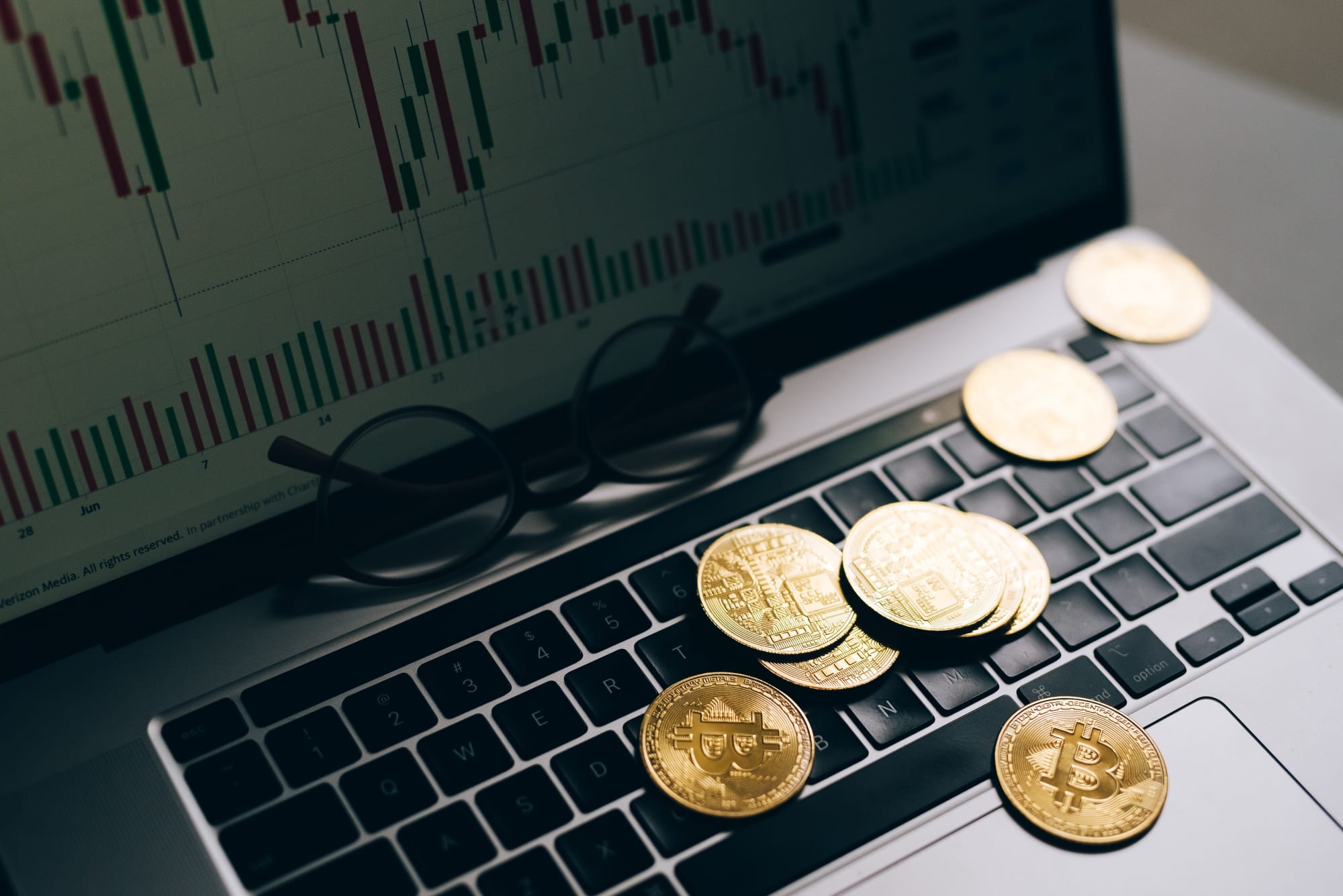
The World Gold Council's latest survey indicates a significant shift in central banks' reserve strategies, with a growing emphasis on gold as a strategic asset. According to the annual Central Banks ...Read more
Commodity
Gold market sees mixed signals as ETF flows slow and rate hike expectations mount
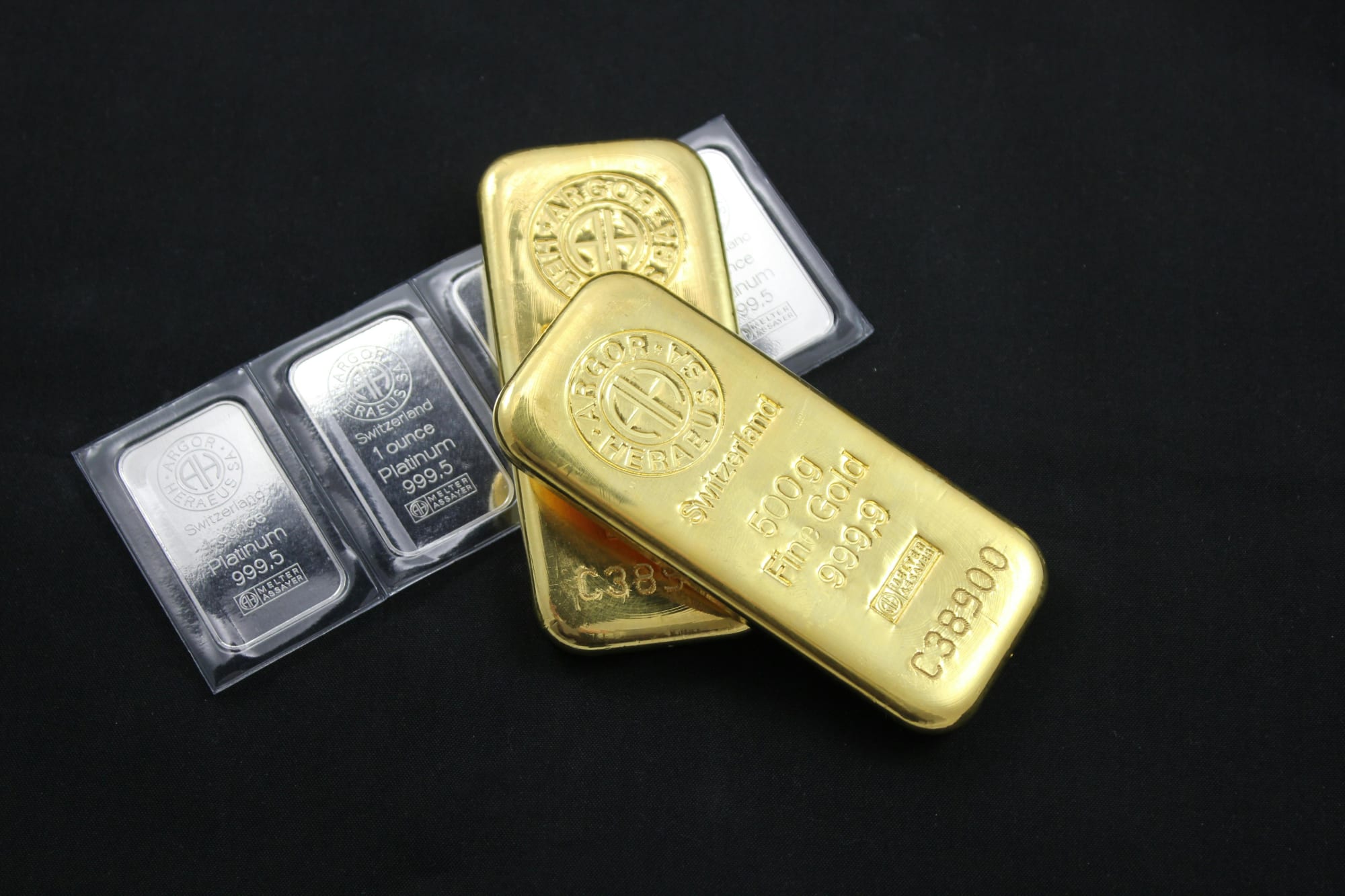
In May 2026, the gold market experienced a slight decline, with prices falling by 1% to US$4,546 per ounce, according to the latest reports from the World Gold Council (WGC). This drop was attributed ...Read more
Commodity
Gold prices remain stable amid geopolitical tensions and market dynamics
April 2026 saw the gold market in a state of equilibrium as the precious metal ended the month flat at US$4,611 per ounce. Despite the geopolitical tensions stemming from the Middle East crisis and ...Read more

Commodity
Record gold prices continue to shift demand dynamics
In a period marked by economic uncertainty and geopolitical tensions, the allure of gold has intensified, pushing demand and prices to unprecedented heights. The World Gold Council's latest report on ...Read more

Commodity
Gold's March tumble: Unpacking the dynamics behind the decline
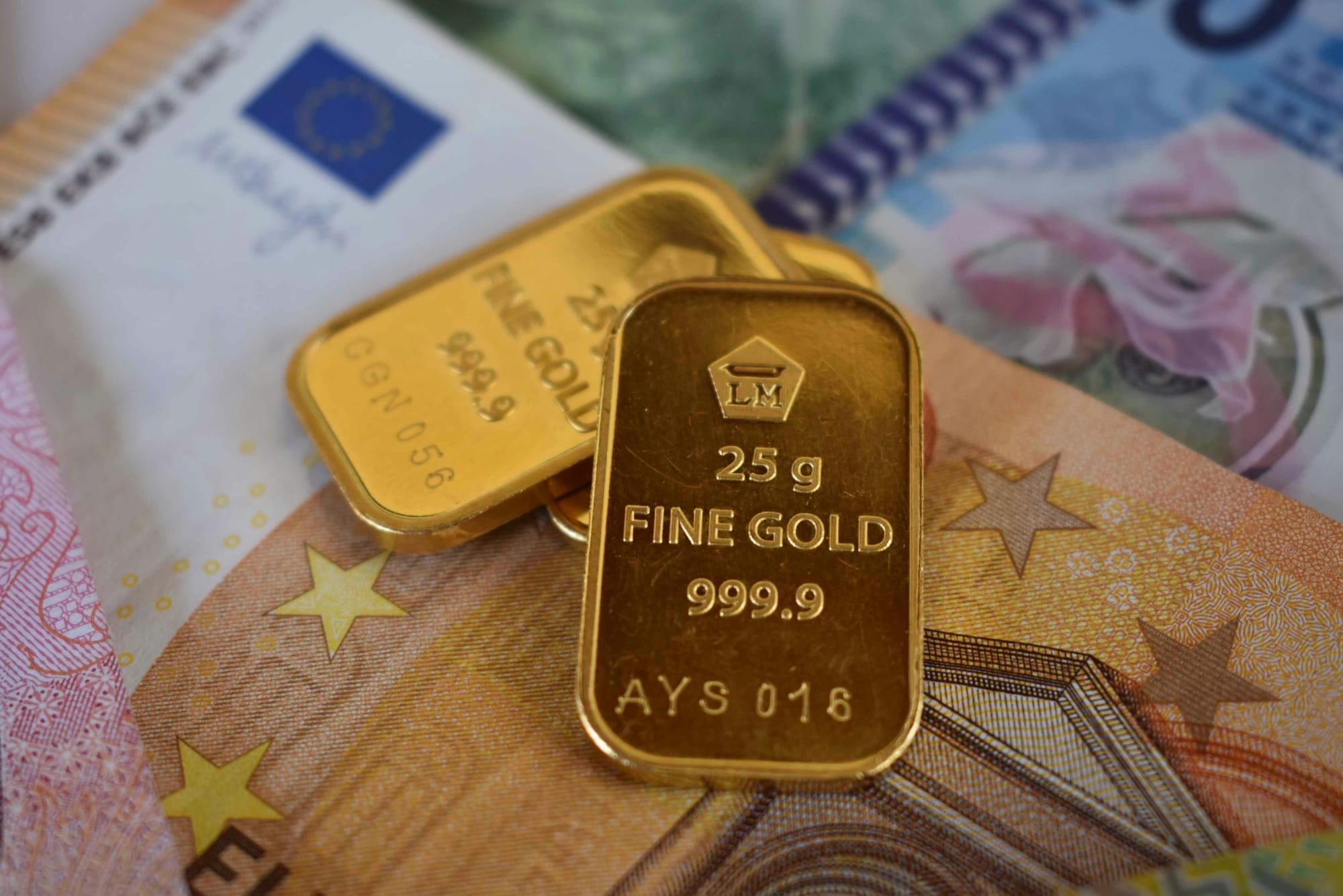
In a month marked by unexpected volatility, gold experienced its steepest decline since June 2013, with prices falling by 12% to US$4,608 per ounce. This dramatic downturn in March was not driven by ...Read more
Commodity
Gold’s role in Australian portfolios amid economic uncertainties
As Australia grapples with resurgent inflation and the Reserve Bank of Australia's (RBA) decision to resume interest rate hikes, the spotlight is once again on gold's strategic role in investment ...Read more

Commodity
World Gold Council unveils initiative to transform digital gold landscape
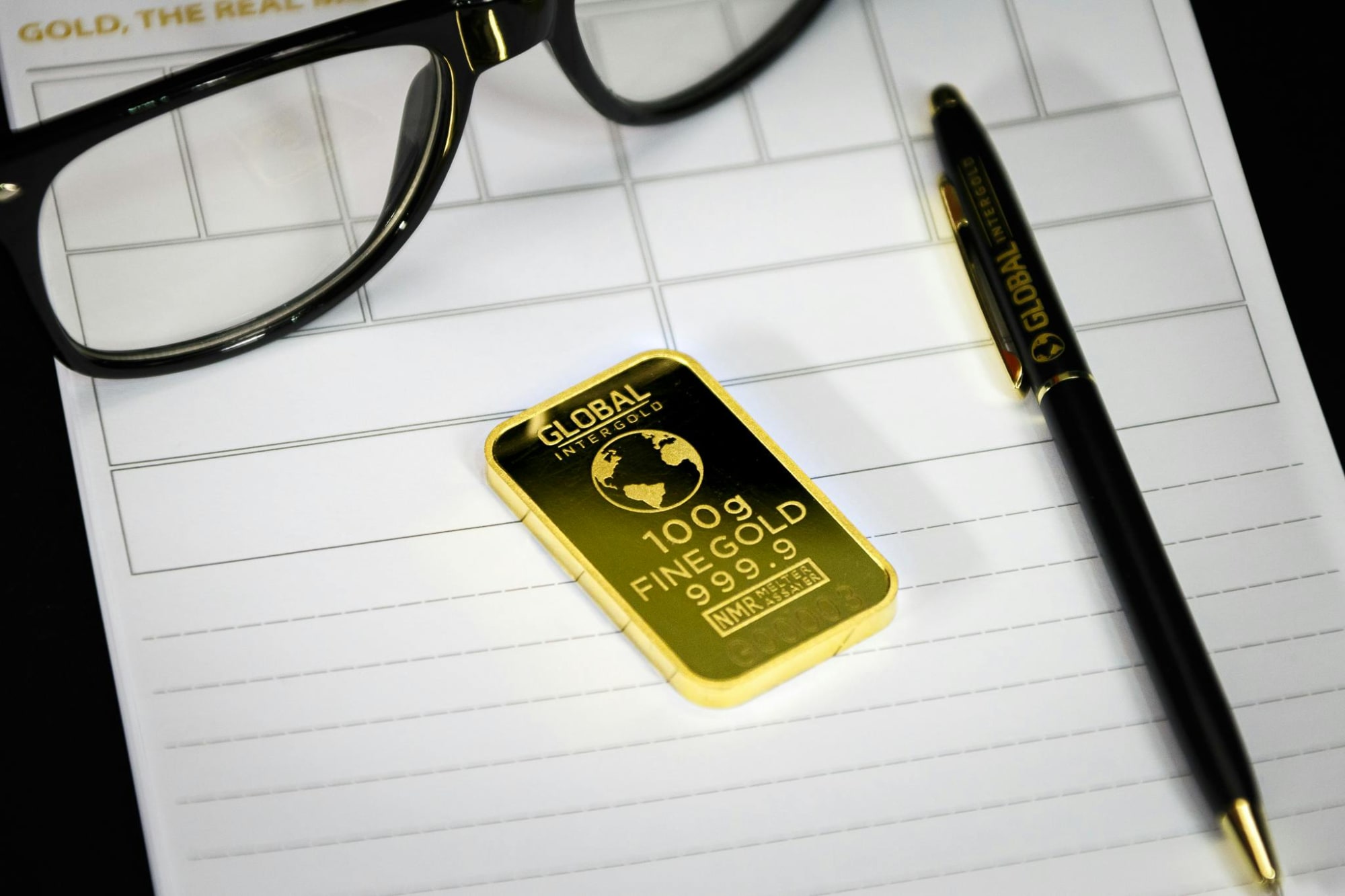
In a groundbreaking move poised to reshape the digital gold market, the World Gold Council (WGC) has announced a new initiative aimed at building a shared infrastructure to facilitate the development ...Read more
Commodity
Gold shines as dollar weakens amid geopolitical tensions
Gold prices surged by 5% in February, reaching an impressive US$5,222 per ounce, driven by a combination of a weakening US dollar, softer US Treasury yields, and increased dip buying. This marks a ...Read more
Commodity
Central banks poised to increase gold reserves amid shifting global trends
The World Gold Council's latest survey indicates a significant shift in central banks' reserve strategies, with a growing emphasis on gold as a strategic asset. According to the annual Central Banks ...Read more
Commodity
Gold market sees mixed signals as ETF flows slow and rate hike expectations mount
In May 2026, the gold market experienced a slight decline, with prices falling by 1% to US$4,546 per ounce, according to the latest reports from the World Gold Council (WGC). This drop was attributed ...Read more
Commodity
Gold prices remain stable amid geopolitical tensions and market dynamics
April 2026 saw the gold market in a state of equilibrium as the precious metal ended the month flat at US$4,611 per ounce. Despite the geopolitical tensions stemming from the Middle East crisis and ...Read more
Commodity
Record gold prices continue to shift demand dynamics
In a period marked by economic uncertainty and geopolitical tensions, the allure of gold has intensified, pushing demand and prices to unprecedented heights. The World Gold Council's latest report on ...Read more
Commodity
Gold's March tumble: Unpacking the dynamics behind the decline
In a month marked by unexpected volatility, gold experienced its steepest decline since June 2013, with prices falling by 12% to US$4,608 per ounce. This dramatic downturn in March was not driven by ...Read more
Commodity
Gold’s role in Australian portfolios amid economic uncertainties
As Australia grapples with resurgent inflation and the Reserve Bank of Australia's (RBA) decision to resume interest rate hikes, the spotlight is once again on gold's strategic role in investment ...Read more
Commodity
World Gold Council unveils initiative to transform digital gold landscape
In a groundbreaking move poised to reshape the digital gold market, the World Gold Council (WGC) has announced a new initiative aimed at building a shared infrastructure to facilitate the development ...Read more
Commodity
Gold shines as dollar weakens amid geopolitical tensions
Gold prices surged by 5% in February, reaching an impressive US$5,222 per ounce, driven by a combination of a weakening US dollar, softer US Treasury yields, and increased dip buying. This marks a ...Read more