




Invest
Is your investment property fire-safe?
The Grenfell Tower fire pushed dangerous cladding into public scrutiny, but according to a consultancy, in 80 per cent of cases the cladding used in Australia is also dangerous.
Is your investment property fire-safe?

The Grenfell Tower fire pushed dangerous cladding into public scrutiny, but according to a consultancy, in 80 per cent of cases the cladding used in Australia is also dangerous.

Project director at strata remedial consultancy, SPMA, Peter Blair has warned that eight out of 10 times, the aluminium cladding used on buildings in high rise buildings was “likely to be non-complying or non-conforming” to new safety benchmarks implemented last week.
The NSW government Minister for Better Regulation, Matt Kean said the government was banning dangerous cladding and putting in place potential $1 million fines for corporations and $200,000 fines for individuals.
At the same time, the National Construction Code will be tightened on March 2018 with stricter compliancy tests.
Mr Blair said: “Given the high level of non-compliance and product substitution, the default position should be to presume that a building with composite aluminium cladding is non-compliant until proven otherwise.

“These products all look the same and the only way to know exactly what has been installed is to take a sample of the material and have it tested at a reputable facility such as the CSIRO.”
Further, he warned that the original product certification may be misleading, or the material may even have been swapped for a cheaper option.
He said the use of non-compliant cladding was linked to a need to reduce costs and meet creative or architectural demands.
The Lannock Strata Fire Safety Forum warned that this “has come at a far higher cost in the long run”.
The CEO of Lannock Strata Finance, Paul Morton said: “Certification that is not comprehensive puts lives and the billions of dollars invested in property at risk and is not going to resolve the problem.”
He continued: “Without pointing the finger of blame, there have been failures in certification and product identification going back many years, which have led to the situation we are currently facing.
“In fact, it’s a good time for owners to give their buildings a thorough inspection and deal with other fire safety related issues that might have gone undetected.”
While the Grenfell Tower fire in June killed 71 people and garnered international attention, the subject of dangerous cladding has been in the Australian spotlight since the Lacrosse fire in Melbourne in 2014 saw an entire residential building engulfed.
LU Simon, the company which built the Lacrosse building is currently fighting a legal battle on two fronts. Owners and investors who saw their property damaged are pushing for $15 million in damages, while LU Simon itself is pushing back against demands from authorities for it to fix its other towers.
Meanwhile, Gold Coast lawyer Bruce Simmonds has said there needs to be a “full public enquiry” into the use of the product on Gold Coast buildings.
The Parker Simmonds Solicitors and Lawyers litigation director said that it was “appalling” that two high-rises had been built in the region despite questionable cladding being in the media spotlight, and that Queensland’s Building and Construction Commission would not identify the buildings due to “privacy reasons”.
He said: “Flammable cladding endangers lives and a state government body should not be allowed to hide behind ‘privacy reasons’ when people’s lives could be at risk.
“Even industry experts say it’s very difficult to identify safe versus unsafe cladding. They need thorough testing… part of the challenge is that, after it’s installed it becomes difficult, even for the experts to tell.”
RELATED ARTICLES
-

Trust, technology and triage: what NSW’s ‘name and shame’ signals for real estate governance
-

Vacancy is rising, demand is resilient: A case study in defending yield as Australia’s rental cycle rebalances
-

From intuition to instrumentation: How a "two-stakeholder" sales playbook lifted close rates and cut cycle times
Property
Trust, technology and triage: what NSW’s ‘name and shame’ signals for real estate governance
NSW’s latest enforcement action on real estate trust accounts isn’t a one-off embarrassment; it’s a stress test of sector governance. With licences suspended and penalties applied, the message is ...Read more
Property
Vacancy is rising, demand is resilient: A case study in defending yield as Australia’s rental cycle rebalances
After a blistering run, Australia’s rental market is loosening at the edges. Vacancy is edging up off historic lows, rent inflation is set to moderate into 2026, yet underlying demand remains ...Read more
Property
From intuition to instrumentation: How a "two-stakeholder" sales playbook lifted close rates and cut cycle times
High-stakes consumer purchases are increasingly joint decisions. When one partner is under-served, deals stall. This case study follows an Australian real estate group that rebuilt its sales motion ...Read more

Property
Selling in 2025: How to spot bad agents fast—and build an ROI-first vendor playbook
In Australia’s property market, choosing the wrong listing agent isn’t just inconvenient—it’s a textbook principal–agent failure that can wipe tens of thousands off your sale outcomeRead more

Property
Selling in 2026: How to de‑risk your agent choice and protect tens of thousands at settlement
Choosing the wrong selling agent isn’t just an inconvenience — it’s a balance‑sheet risk. In a market where digital discovery is concentrated and AI is recasting how listings are priced and promoted, ...Read more

Property
Rate resilience in Australian housing: why scarce supply is overpowering monetary tightening
Australia’s housing market is defying higher borrowing costs because the binding constraint isn’t demand—it’s supply. Brokers report persistent buyer competition and investor repositioning, while ...Read more

Property
Victoria’s $100m renter support push: what it means for landlords, proptech and the housing economy
Victoria has unveiled a new suite of rental support services, including a dedicated helpline for renters aged 55+, underpinned by a funding package widely reported at around $100 millionRead more
Property
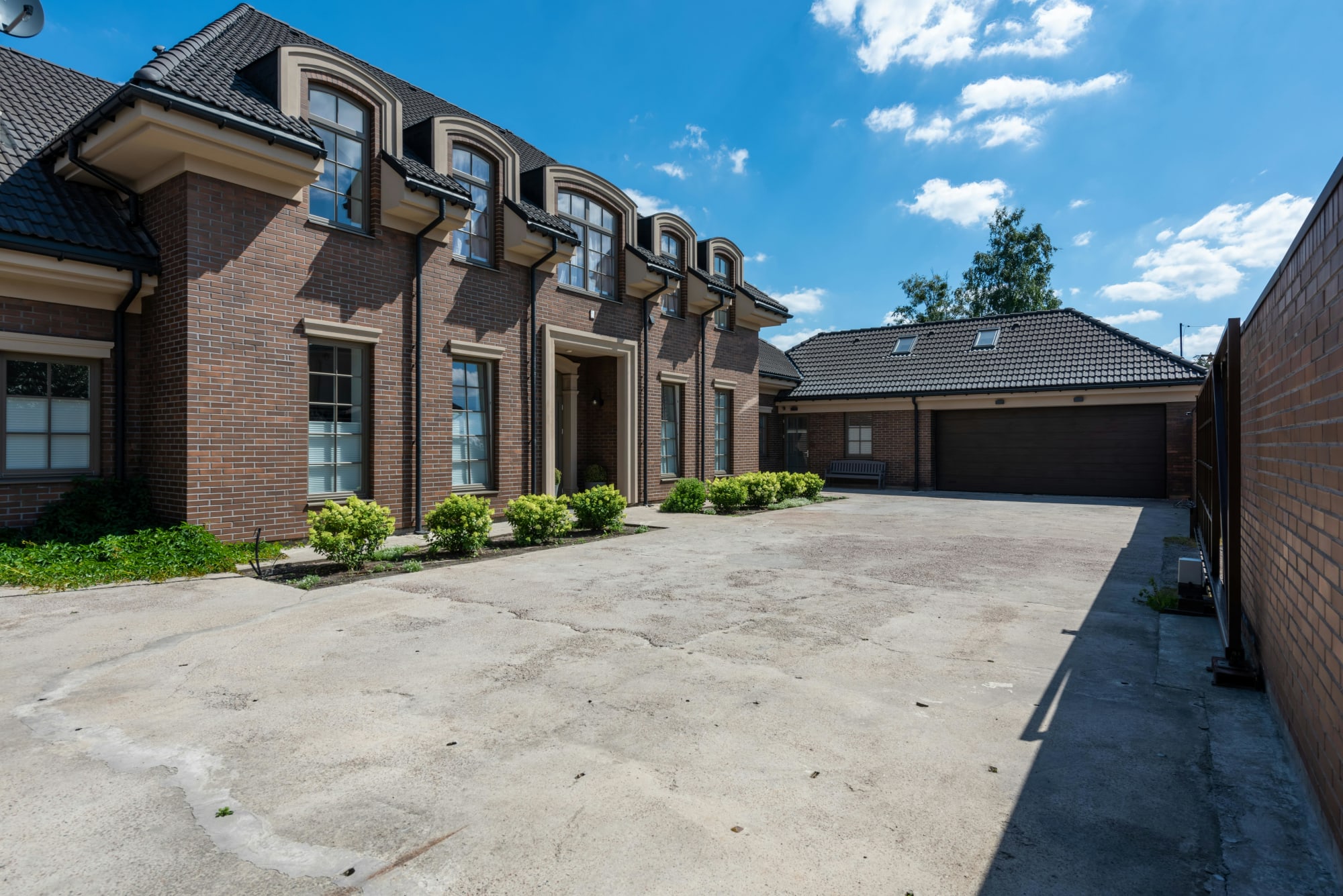
The multigenerational home moves mainstream: where the next margin lives in Australian real estate
Multigenerational living is shifting from edge case to core demand driver in Australia’s housing market. For agents, developers and lenders, the commercial upside lies in rethinking product design, ...Read more
Property
Trust, technology and triage: what NSW’s ‘name and shame’ signals for real estate governance
NSW’s latest enforcement action on real estate trust accounts isn’t a one-off embarrassment; it’s a stress test of sector governance. With licences suspended and penalties applied, the message is ...Read more
Property
Vacancy is rising, demand is resilient: A case study in defending yield as Australia’s rental cycle rebalances
After a blistering run, Australia’s rental market is loosening at the edges. Vacancy is edging up off historic lows, rent inflation is set to moderate into 2026, yet underlying demand remains ...Read more
Property
From intuition to instrumentation: How a "two-stakeholder" sales playbook lifted close rates and cut cycle times
High-stakes consumer purchases are increasingly joint decisions. When one partner is under-served, deals stall. This case study follows an Australian real estate group that rebuilt its sales motion ...Read more
Property
Selling in 2025: How to spot bad agents fast—and build an ROI-first vendor playbook
In Australia’s property market, choosing the wrong listing agent isn’t just inconvenient—it’s a textbook principal–agent failure that can wipe tens of thousands off your sale outcomeRead more
Property
Selling in 2026: How to de‑risk your agent choice and protect tens of thousands at settlement
Choosing the wrong selling agent isn’t just an inconvenience — it’s a balance‑sheet risk. In a market where digital discovery is concentrated and AI is recasting how listings are priced and promoted, ...Read more
Property
Rate resilience in Australian housing: why scarce supply is overpowering monetary tightening
Australia’s housing market is defying higher borrowing costs because the binding constraint isn’t demand—it’s supply. Brokers report persistent buyer competition and investor repositioning, while ...Read more
Property
Victoria’s $100m renter support push: what it means for landlords, proptech and the housing economy
Victoria has unveiled a new suite of rental support services, including a dedicated helpline for renters aged 55+, underpinned by a funding package widely reported at around $100 millionRead more
Property
The multigenerational home moves mainstream: where the next margin lives in Australian real estate
Multigenerational living is shifting from edge case to core demand driver in Australia’s housing market. For agents, developers and lenders, the commercial upside lies in rethinking product design, ...Read more


