Invest
PM announces second stimulus, possibility of a third
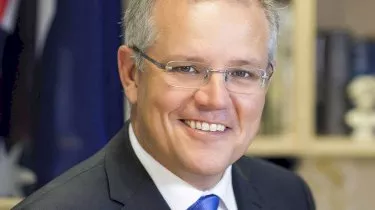
Prime Minister Scott Morrison has announced a $66.1 billion economic lifeline, just 10 days after announcing an initial $17.6 billion package, with more help coming to those affected by the COVID-19 outbreak.
PM announces second stimulus, possibility of a third
Prime Minister Scott Morrison has announced a $66.1 billion economic lifeline, just 10 days after announcing an initial $17.6 billion package, with more help coming to those affected by the COVID-19 outbreak.
The new package, designed as a “safety net for workers”, is dedicated to combating the economic damage caused by the coronavirus pandemic.
A total of $189 billion has now been injected into the economy through two stimulus packages from the government, as well as $100 billion from Australia’s central bank.
Under the second package, the government will allow individuals in “financial stress” as a result of the coronavirus to have limited access to their superannuation savings.
Australian workers sacked or stood down will be able to take up to $20,000 from their superannuation account over the next two years.
As part of the government’s second stimulus package, it has established a new time-limited coronavirus supplement payment of $550 per fortnight for the next six months at a cost of $14 billion.
This will effectively double the rate of Newstart, which has been renamed to Jobseeker payments.
The maximum JobSeeker payment rate with a coronavirus supplement is now $1,162 per fortnight for a single with a dependent or child.
In the first package, the government announced that 6.5 million lower-income Australians would receive a one-off payment of $750 aimed at boosting domestic demand.
In the second package, the government announced an additional $750 payment to social security and veteran income support recipients and eligible concession cardholders.
However, this won’t be available if you get the $550 a fortnight coronavirus supplement.
The first payment will be made from 31 March 2020 to people eligible anytime between 12 March 2020 and 13 April 2020, with the second payment coming automatically from 13 July 2020.
Five million Australians, including those who receive the age pension and carer allowance will soon be able to claim up to $750 in stimulus payments.
The new measures in the second stimulus will also target small businesses and not for profits as they are eligible to receive tax-free cash payments of up to $100,000 to help them retain their staff and keep operating.
Not-for-profits that employ people will also be able to apply for a minimum payment of $20,000.
The measures are designed to help 690,000 businesses, which employ around 7.8 million Australians and about 30,000 not-for-profits, Mr Morrison said.
While the government has announced two changes in just two weeks, they have not ruled out the possibility of a third package.
About the author
About the author
Economy
Australia’s spending surprise raises the odds of a February rate move — here’s how to protect margin and momentum
Household outlays are running hotter than economists expected, with the latest ABS readings showing broad-based gains across services and goods. That resilience is exactly the kind of demand impulse ...Read more
Economy
Australia’s inflation cools to 3.4% — why the RBA’s next move still isn’t a lay‑up for business
Headline inflation easing is good optics; balance sheets feel something different. With year‑on‑year CPI down to 3.4% in November from 3.8%, hopes for rate relief are rising — but policymakers remain ...Read more
Economy
Inflation cools to 3.4% — but the RBA’s reaction function keeps businesses on a knife-edge
Australia’s headline CPI edged down to 3.4% year-on-year in November, from 3.8%, easing immediate pressure but not eliminating the risk of further tightening. With services inflation sticky and ...Read more
Economy
Higher-for-longer, not higher forever: How Australia’s inflation ‘surprise’ is rewriting CFO playbooks for 2026
Australia’s latest inflation pulse eased but didn’t budge bank outlooks: near‑term rate cuts are still a long shot, with some houses flagging upside risk. That steadier‑for‑longer cash rate is pushing ...Read more
Economy
Australia's inflation illusion: the real challenge lies in pricing power and productivity
Headline inflation has cooled to 3.4% year-on-year, but the Reserve Bank’s caution—and a still‑hot housing backdrop—mean the rate threat hasn’t left the room. For boards, the next few quarters are ...Read more
Economy
When house prices lift, tills ring: A case study in turning Australia’s wealth effect into growth
Australia’s latest upswing in household wealth, anchored by higher dwelling values, is more than a feel‑good statistic—it is a profit and planning signal. The ABS notes property’s centrality to ...Read more
Economy
RBA's hawkish stance reflects inflation concerns, State Street economist comments
In a recent statement, the Reserve Bank of Australia (RBA) has signaled a hawkish stance on interest rates, drawing insights from financial experts about the implications for Australia's economic ...Read more
Economy
Navigating the inflation maze: How CFOs can outsmart economic hurdles in Australia
Fresh inflation data have cooled expectations of near-term rate cuts in Australia, intensifying pressure on margins, capital allocation and demand. Rather than wait for monetary relief that may not ...Read more
Economy
Australia’s spending surprise raises the odds of a February rate move — here’s how to protect margin and momentum
Household outlays are running hotter than economists expected, with the latest ABS readings showing broad-based gains across services and goods. That resilience is exactly the kind of demand impulse ...Read more
Economy
Australia’s inflation cools to 3.4% — why the RBA’s next move still isn’t a lay‑up for business
Headline inflation easing is good optics; balance sheets feel something different. With year‑on‑year CPI down to 3.4% in November from 3.8%, hopes for rate relief are rising — but policymakers remain ...Read more
Economy
Inflation cools to 3.4% — but the RBA’s reaction function keeps businesses on a knife-edge
Australia’s headline CPI edged down to 3.4% year-on-year in November, from 3.8%, easing immediate pressure but not eliminating the risk of further tightening. With services inflation sticky and ...Read more
Economy
Higher-for-longer, not higher forever: How Australia’s inflation ‘surprise’ is rewriting CFO playbooks for 2026
Australia’s latest inflation pulse eased but didn’t budge bank outlooks: near‑term rate cuts are still a long shot, with some houses flagging upside risk. That steadier‑for‑longer cash rate is pushing ...Read more
Economy
Australia's inflation illusion: the real challenge lies in pricing power and productivity
Headline inflation has cooled to 3.4% year-on-year, but the Reserve Bank’s caution—and a still‑hot housing backdrop—mean the rate threat hasn’t left the room. For boards, the next few quarters are ...Read more
Economy
When house prices lift, tills ring: A case study in turning Australia’s wealth effect into growth
Australia’s latest upswing in household wealth, anchored by higher dwelling values, is more than a feel‑good statistic—it is a profit and planning signal. The ABS notes property’s centrality to ...Read more
Economy
RBA's hawkish stance reflects inflation concerns, State Street economist comments
In a recent statement, the Reserve Bank of Australia (RBA) has signaled a hawkish stance on interest rates, drawing insights from financial experts about the implications for Australia's economic ...Read more
Economy
Navigating the inflation maze: How CFOs can outsmart economic hurdles in Australia
Fresh inflation data have cooled expectations of near-term rate cuts in Australia, intensifying pressure on margins, capital allocation and demand. Rather than wait for monetary relief that may not ...Read more