




Invest
NSW SES boosts tsunami preparedness ahead of World Tsunami Awareness Day
Invest
NSW SES boosts tsunami preparedness ahead of World Tsunami Awareness Day
As World Tsunami Awareness Day approaches on 5 November, the New South Wales State Emergency Service (NSW SES) is ramping up efforts to enhance tsunami preparedness along the east coast. Despite the infrequent occurrence of tsunamis in Australia, the potential impact of such events could be catastrophic, underscoring the importance of awareness and readiness.
NSW SES boosts tsunami preparedness ahead of World Tsunami Awareness Day

As World Tsunami Awareness Day approaches on 5 November, the New South Wales State Emergency Service (NSW SES) is ramping up efforts to enhance tsunami preparedness along the east coast. Despite the infrequent occurrence of tsunamis in Australia, the potential impact of such events could be catastrophic, underscoring the importance of awareness and readiness.
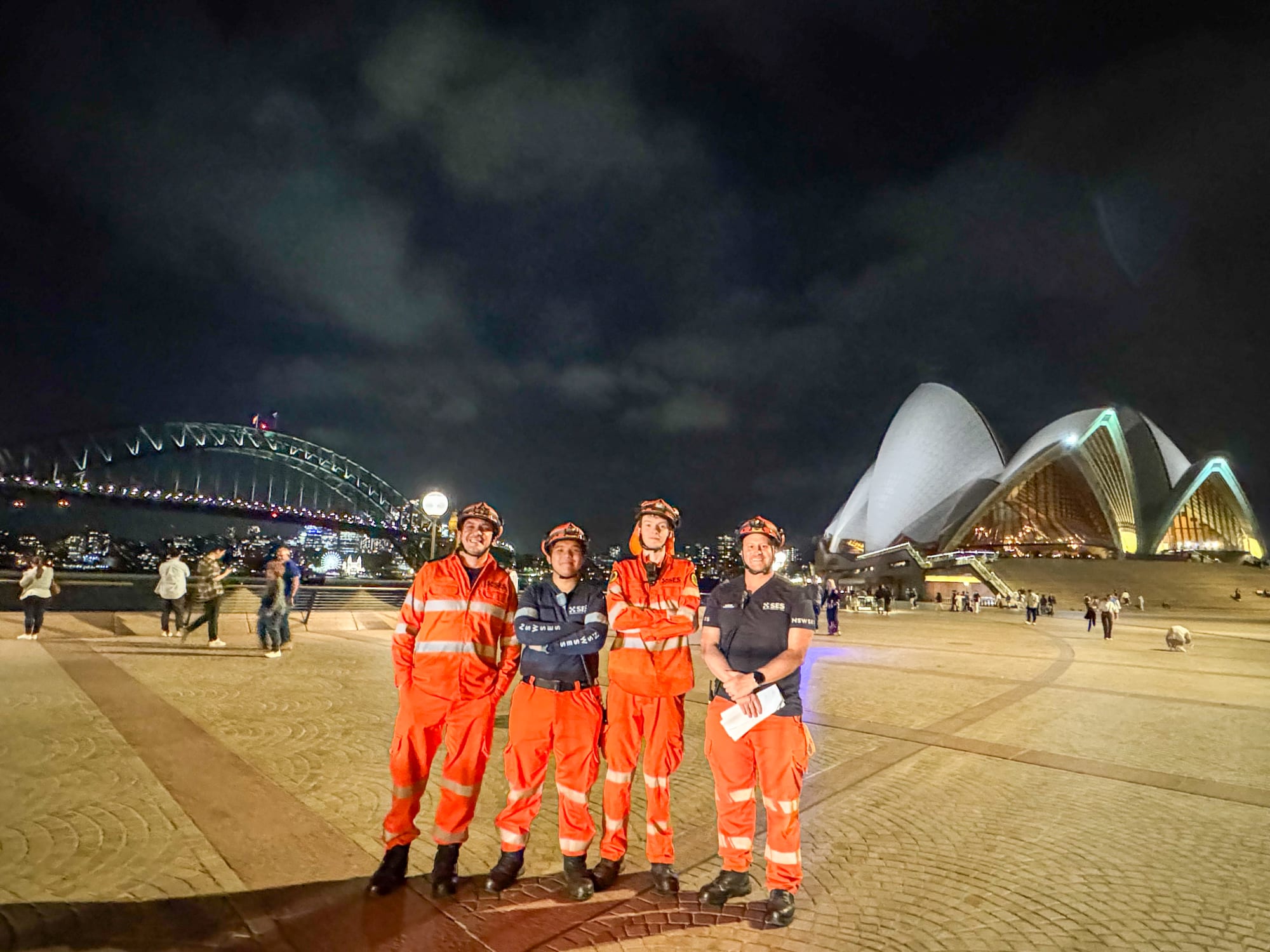
NSW SES Deputy Commissioner Daniel Austin emphasised the critical role of preparation, noting, "While the likelihood of a tsunami in NSW is low, it’s not zero. A tsunami could happen when we least expect it and the impacts could be devastating." This sentiment drives the agency's ongoing efforts to prepare for the possibility, ensuring that both the SES and local communities are ready to respond effectively.
The historical record shows over 50 incidents of tsunamis in Australia, though many were minor. However, since 2007, NSW has experienced at least seven marine-threat tsunamis from earthquakes and one from a volcanic source, highlighting the region's vulnerability.
In a recent exercise, more than 70 members from the NSW SES City of Sydney and Canterbury Units participated in a simulation designed to practise response operations following a tsunami warning. This included a specialist incident management team formed at the City of Sydney Unit and field crews deploying to high-risk locations such as The Rocks, Sydney Opera House, and Barangaroo. These teams were tasked with delivering critical evacuation messaging and assessing preparedness.
"Exercises like this are important to ensure members are on the same page and confident in enacting their local response plans. It’s also a great opportunity to engage with communities about tsunami preparedness," Deputy Commissioner Austin said, highlighting the dual focus on internal readiness and community engagement.
In addition to the simulation, NSW SES is organising community engagement events along the east coast leading up to World Tsunami Awareness Day. These events provide a platform for residents to learn about their tsunami risk, safety measures, and preparedness strategies. The events are scheduled as follows:
- City of Sydney Unit: Government House, Sunday 2 November, 10am to 4pm
- Randwick Unit: Maroubra and Coogee Beach, Sunday 2 November, 7am to 3pm
- Manly Unit: Manly Beach, Sunday 2 November, 9:30am to 1:30pm
- Waverley-Woollahra Unit: Bondi Pavilion and Lyne Park, Rose Bay, Sunday 2 November, 9am to 3:30pm
- Mosman Unit: Balmoral Beach, Sunday 2 November, 7am to 12pm
- Ballina Unit: Ballina Marine Rescue Tower, Sunday 2 November, 8am to 10am
- City of Newcastle Unit: Nobby’s Beach, Wednesday 5 November, 10am to 2pm
- Swansea Unit: Swansea RSL and Swansea Shopping Centre, Wednesday 5 November, 9am to 3pm
Deputy Commissioner Austin stressed the importance of community awareness, particularly for those residing along the coast. "We want everyone to understand the warning signs and know what to do if a tsunami warning is issued," he stated. He urged residents to use the Tsunami Evacuation Area Interactive Map to assess their risk level and to explore safe preparedness, response, and recovery actions on the NSW SES website.
In the event of a marine and immediate foreshore threat, the SES advises the community to move away from beaches and estuaries. For land inundation threats, people should head to higher ground at least ten metres above sea level or move at least one kilometre away from coastal areas. Additionally, boats in harbours or shallow waters should return to shore, while those already at sea should remain offshore in waters at least 25 metres deep until further notice.
Through these initiatives, the NSW SES aims to bolster both organisational readiness and public awareness, ensuring that communities are better equipped to handle the challenges posed by potential tsunamis. For more information on tsunami risk and preparation, residents are encouraged to visit the NSW SES website.
RELATED ARTICLES

Economy
Australia’s inflation surges amid Iran conflict, prompting potential RBA rate hike
Australia's economy is grappling with a significant surge in inflation, driven by the escalating conflict in Iran, which has sent energy prices soaring. The latest Consumer Price Index (CPI) figures ...Read more

Economy
Inflation surge prompts calls for RBA interest rate hike
In light of the latest Consumer Price Index (CPI) data, inflation in Australia has surged, sparking discussions among financial experts about the potential need for an interest rate hike by the ...Read more

Economy
State Street economist warns of potential rate hikes as labour market remains robust
In the wake of the latest Labour Force data release, financial experts are weighing in on the implications of Australia's persistently strong labour market. State Street, a global leader in financial ...Read more

Economy
Australia and Korea urged to deepen ties amid escalating fuel crisis
As tensions in the Middle East escalate, Australia and South Korea are being called upon to strengthen their existing trade and investment ties to navigate the ongoing global fuel crisisRead more

Economy
Inflation figures steady as labour market shows resilience
In a landscape marked by economic uncertainties, the latest inflation data has been met with cautious optimism by industry leaders. The inflation rate has edged down slightly to 3.7%, a development ...Read more

Economy
RBA cash rate decision sparks expert analysis on potential impacts
The Reserve Bank of Australia (RBA) has caught the attention of financial experts worldwide with its latest monetary policy decision, signalling potential shifts in the economic landscapeRead more

Economy
RBA May Consider Early Rate Hike Amidst Economic Growth and Inflation Concerns
Australia's economic landscape is witnessing a dynamic shift as the Reserve Bank of Australia (RBA) grapples with the implications of recent growth figures and inflationary pressures. The latest GDP ...Read more

Economy
Inflation concerns grow as consumer price index rises, prompting potential interest rate hikes
The latest Consumer Price Index (CPI) data has sparked fresh concerns about inflation in Australia, with experts suggesting that further interest rate hikes may be on the horizon. The CPI, a key ...Read more
Economy
Australia’s inflation surges amid Iran conflict, prompting potential RBA rate hike
Australia's economy is grappling with a significant surge in inflation, driven by the escalating conflict in Iran, which has sent energy prices soaring. The latest Consumer Price Index (CPI) figures ...Read more
Economy
Inflation surge prompts calls for RBA interest rate hike
In light of the latest Consumer Price Index (CPI) data, inflation in Australia has surged, sparking discussions among financial experts about the potential need for an interest rate hike by the ...Read more
Economy
State Street economist warns of potential rate hikes as labour market remains robust
In the wake of the latest Labour Force data release, financial experts are weighing in on the implications of Australia's persistently strong labour market. State Street, a global leader in financial ...Read more
Economy
Australia and Korea urged to deepen ties amid escalating fuel crisis
As tensions in the Middle East escalate, Australia and South Korea are being called upon to strengthen their existing trade and investment ties to navigate the ongoing global fuel crisisRead more
Economy
Inflation figures steady as labour market shows resilience
In a landscape marked by economic uncertainties, the latest inflation data has been met with cautious optimism by industry leaders. The inflation rate has edged down slightly to 3.7%, a development ...Read more
Economy
RBA cash rate decision sparks expert analysis on potential impacts
The Reserve Bank of Australia (RBA) has caught the attention of financial experts worldwide with its latest monetary policy decision, signalling potential shifts in the economic landscapeRead more
Economy
RBA May Consider Early Rate Hike Amidst Economic Growth and Inflation Concerns
Australia's economic landscape is witnessing a dynamic shift as the Reserve Bank of Australia (RBA) grapples with the implications of recent growth figures and inflationary pressures. The latest GDP ...Read more
Economy
Inflation concerns grow as consumer price index rises, prompting potential interest rate hikes
The latest Consumer Price Index (CPI) data has sparked fresh concerns about inflation in Australia, with experts suggesting that further interest rate hikes may be on the horizon. The CPI, a key ...Read more


