Invest
CPI soars as child subsidy ends
The consumer price index has risen by 1.6 per cent for the September quarter following the end of free childcare and cheap fuel, official figures have revealed.
CPI soars as child subsidy ends
The consumer price index has risen by 1.6 per cent for the September quarter following the end of free childcare and cheap fuel, official figures have revealed.
Results released by the Australian Bureau of Statistics revealed a rise following the largest quarterly fall in 72 years where prices went backwards by 1.9 per cent.
Childcare was the main contributor, with it dropping by 95 per cent as the government looked to support parents during the COVID-19 pandemic.
However, the subsidy ended 13 July, seeing the price rise again in the CPI for the September quarter.
“In the September quarter, childcare fees returned to their pre-COVID-19 rate, having been free during the June quarter. This was the largest contributor to the CPI rise in the September quarter. Excluding the impact of childcare, the CPI would have risen 0.7 per cent,” head of prices statistics at the ABS Andrew Tomadini said.

Over the quarter, there were also significant rises in alcohol and tobacco prices, while transportation jumped by 3.4 per cent, spurred on by rising oil prices.
Other notable increases in the September quarter included furniture, which grew by 6.4 per cent; major appliances rising by 5.3 per cent and small appliances, which rose 5.8 per cent.
“Strong demand and supply shortages led to price rises and less discounting for many household durable goods,” Mr Tomadini said.
He said annual inflation returned to positive territory, rising 0.7 per cent in the September quarter.
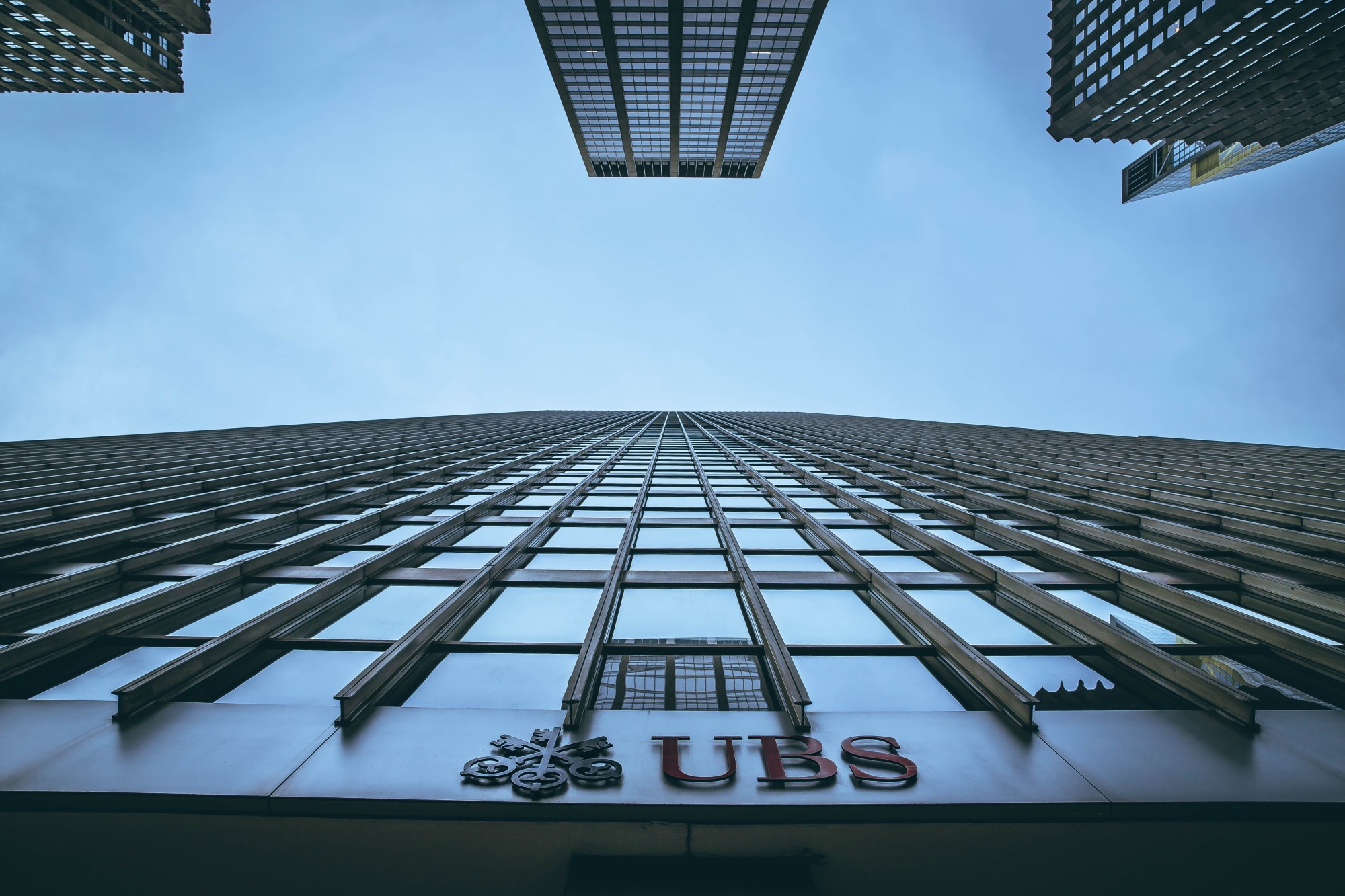
UBS economist George Tharenou stated that while it was the largest quarterly growth since 2006, it still only partially offset last quarter’s collapse.
“Outside these largely ‘exogenous’ one-offs [including the childcare subsidy being reversed], the rest of CPI rose by only 0.4 per cent, which is more consistent with an ongoing modest trend of ‘true’ underlying inflation pressure,” he said.
The economist pointed to the RBA now missing its 2-3 per cent inflation target for 19 consecutive quarters, with the central bank likely to reduce rates to help lift inflation and lower unemployment.
“For the RBA, governor Lowe recently changed their inflation target to actual (rather than forecast) CPI, and also further elevated the importance of the labour market by specifying they want to see more than just progress towards full employment.
“Given that the prior recovery of payrolls has stalled recently amid tapering of the JobKeeper [fiscal stimulus package], and underlying inflation today remains far below their target, we still think the RBA is likely to cut interest rates at their November 3 meeting, from 0.25 per cent to 0.1 per cent,” Mr Tharenou concluded.
About the author
About the author
Economy
Australia’s spending surprise raises the odds of a February rate move — here’s how to protect margin and momentum
Household outlays are running hotter than economists expected, with the latest ABS readings showing broad-based gains across services and goods. That resilience is exactly the kind of demand impulse ...Read more
Economy
Australia’s inflation cools to 3.4% — why the RBA’s next move still isn’t a lay‑up for business
Headline inflation easing is good optics; balance sheets feel something different. With year‑on‑year CPI down to 3.4% in November from 3.8%, hopes for rate relief are rising — but policymakers remain ...Read more
Economy
Inflation cools to 3.4% — but the RBA’s reaction function keeps businesses on a knife-edge
Australia’s headline CPI edged down to 3.4% year-on-year in November, from 3.8%, easing immediate pressure but not eliminating the risk of further tightening. With services inflation sticky and ...Read more
Economy
Higher-for-longer, not higher forever: How Australia’s inflation ‘surprise’ is rewriting CFO playbooks for 2026
Australia’s latest inflation pulse eased but didn’t budge bank outlooks: near‑term rate cuts are still a long shot, with some houses flagging upside risk. That steadier‑for‑longer cash rate is pushing ...Read more
Economy
Australia's inflation illusion: the real challenge lies in pricing power and productivity
Headline inflation has cooled to 3.4% year-on-year, but the Reserve Bank’s caution—and a still‑hot housing backdrop—mean the rate threat hasn’t left the room. For boards, the next few quarters are ...Read more
Economy
When house prices lift, tills ring: A case study in turning Australia’s wealth effect into growth
Australia’s latest upswing in household wealth, anchored by higher dwelling values, is more than a feel‑good statistic—it is a profit and planning signal. The ABS notes property’s centrality to ...Read more
Economy
RBA's hawkish stance reflects inflation concerns, State Street economist comments
In a recent statement, the Reserve Bank of Australia (RBA) has signaled a hawkish stance on interest rates, drawing insights from financial experts about the implications for Australia's economic ...Read more
Economy
Navigating the inflation maze: How CFOs can outsmart economic hurdles in Australia
Fresh inflation data have cooled expectations of near-term rate cuts in Australia, intensifying pressure on margins, capital allocation and demand. Rather than wait for monetary relief that may not ...Read more
Economy
Australia’s spending surprise raises the odds of a February rate move — here’s how to protect margin and momentum
Household outlays are running hotter than economists expected, with the latest ABS readings showing broad-based gains across services and goods. That resilience is exactly the kind of demand impulse ...Read more
Economy
Australia’s inflation cools to 3.4% — why the RBA’s next move still isn’t a lay‑up for business
Headline inflation easing is good optics; balance sheets feel something different. With year‑on‑year CPI down to 3.4% in November from 3.8%, hopes for rate relief are rising — but policymakers remain ...Read more
Economy
Inflation cools to 3.4% — but the RBA’s reaction function keeps businesses on a knife-edge
Australia’s headline CPI edged down to 3.4% year-on-year in November, from 3.8%, easing immediate pressure but not eliminating the risk of further tightening. With services inflation sticky and ...Read more
Economy
Higher-for-longer, not higher forever: How Australia’s inflation ‘surprise’ is rewriting CFO playbooks for 2026
Australia’s latest inflation pulse eased but didn’t budge bank outlooks: near‑term rate cuts are still a long shot, with some houses flagging upside risk. That steadier‑for‑longer cash rate is pushing ...Read more
Economy
Australia's inflation illusion: the real challenge lies in pricing power and productivity
Headline inflation has cooled to 3.4% year-on-year, but the Reserve Bank’s caution—and a still‑hot housing backdrop—mean the rate threat hasn’t left the room. For boards, the next few quarters are ...Read more
Economy
When house prices lift, tills ring: A case study in turning Australia’s wealth effect into growth
Australia’s latest upswing in household wealth, anchored by higher dwelling values, is more than a feel‑good statistic—it is a profit and planning signal. The ABS notes property’s centrality to ...Read more
Economy
RBA's hawkish stance reflects inflation concerns, State Street economist comments
In a recent statement, the Reserve Bank of Australia (RBA) has signaled a hawkish stance on interest rates, drawing insights from financial experts about the implications for Australia's economic ...Read more
Economy
Navigating the inflation maze: How CFOs can outsmart economic hurdles in Australia
Fresh inflation data have cooled expectations of near-term rate cuts in Australia, intensifying pressure on margins, capital allocation and demand. Rather than wait for monetary relief that may not ...Read more