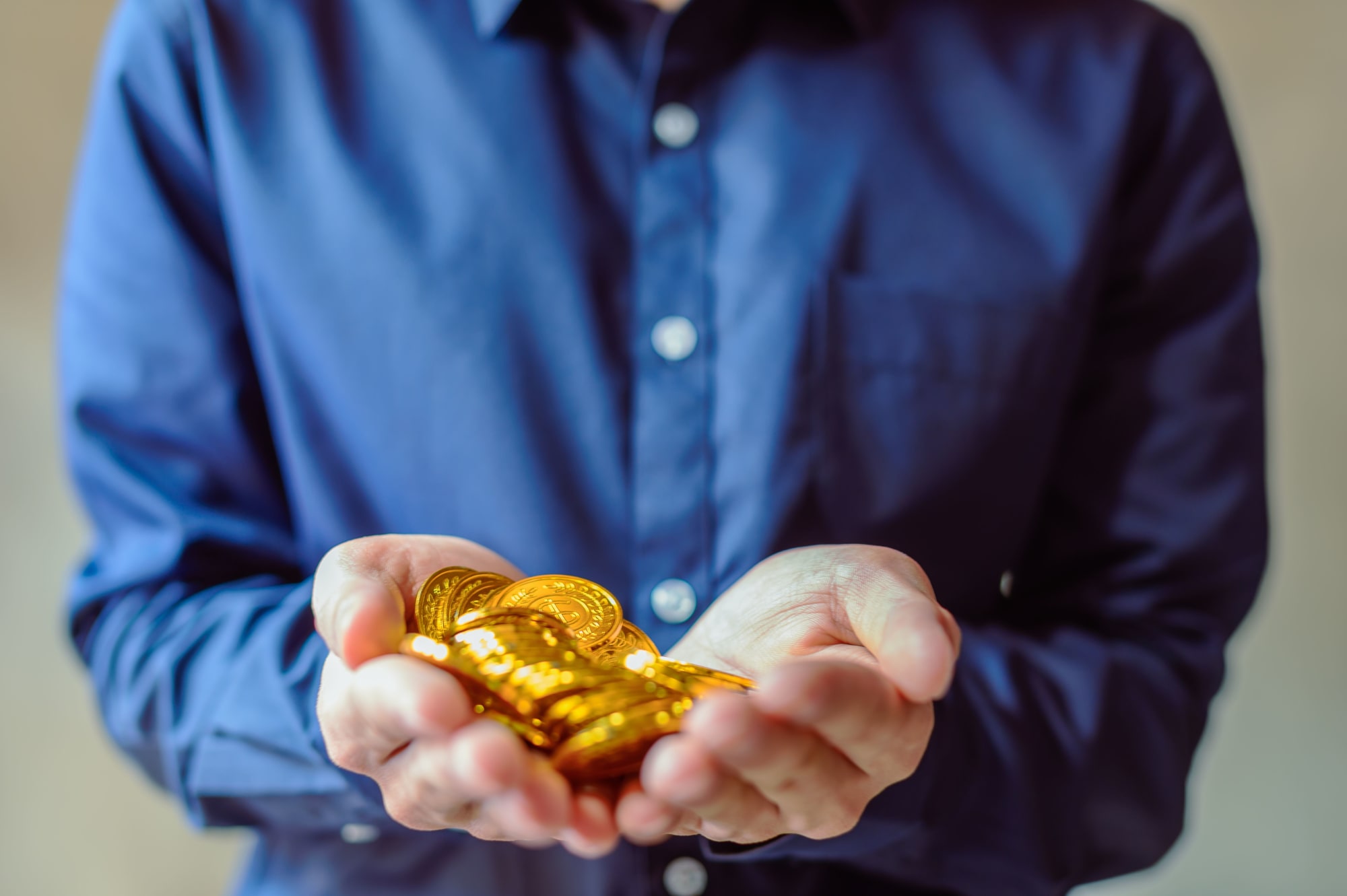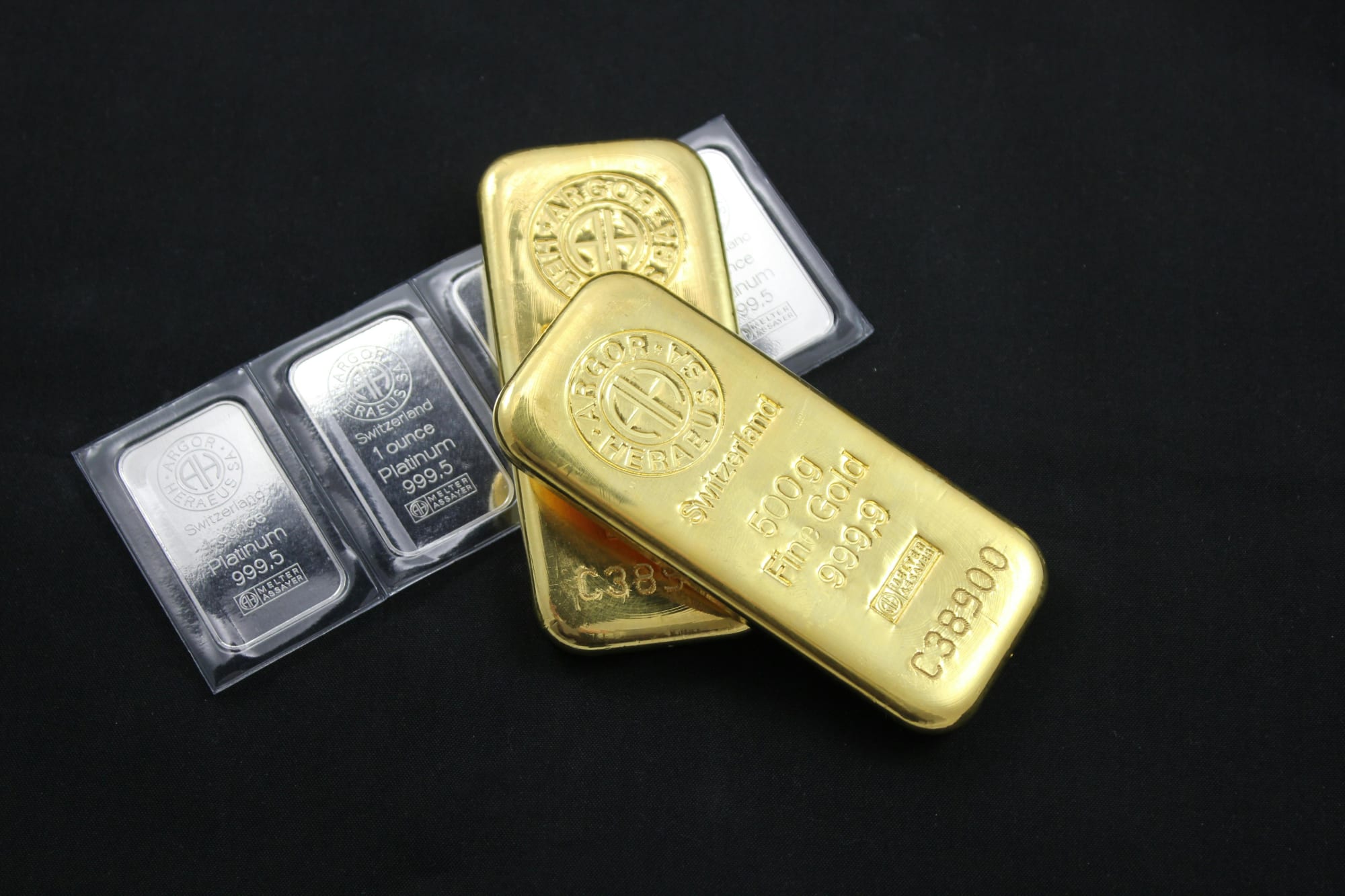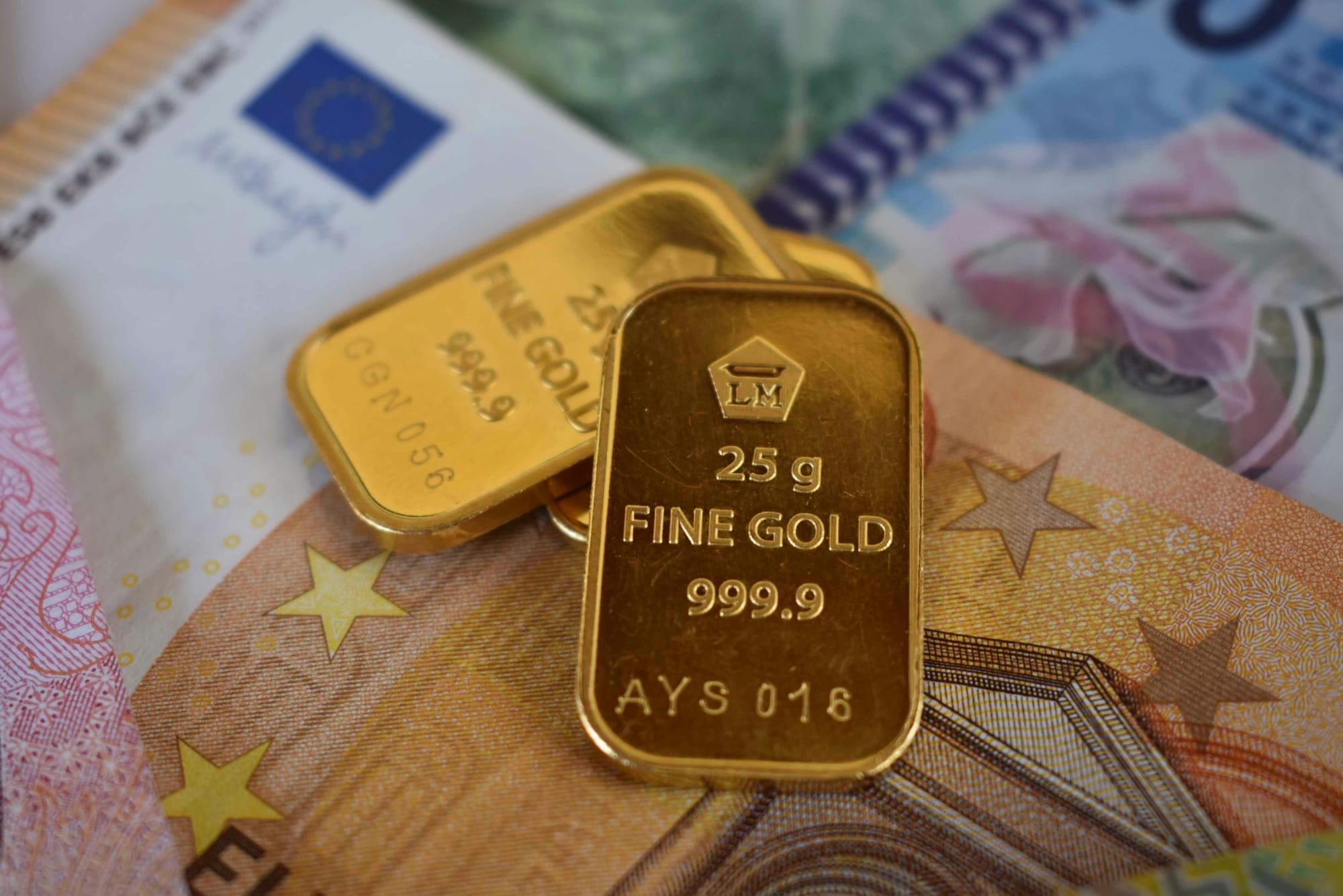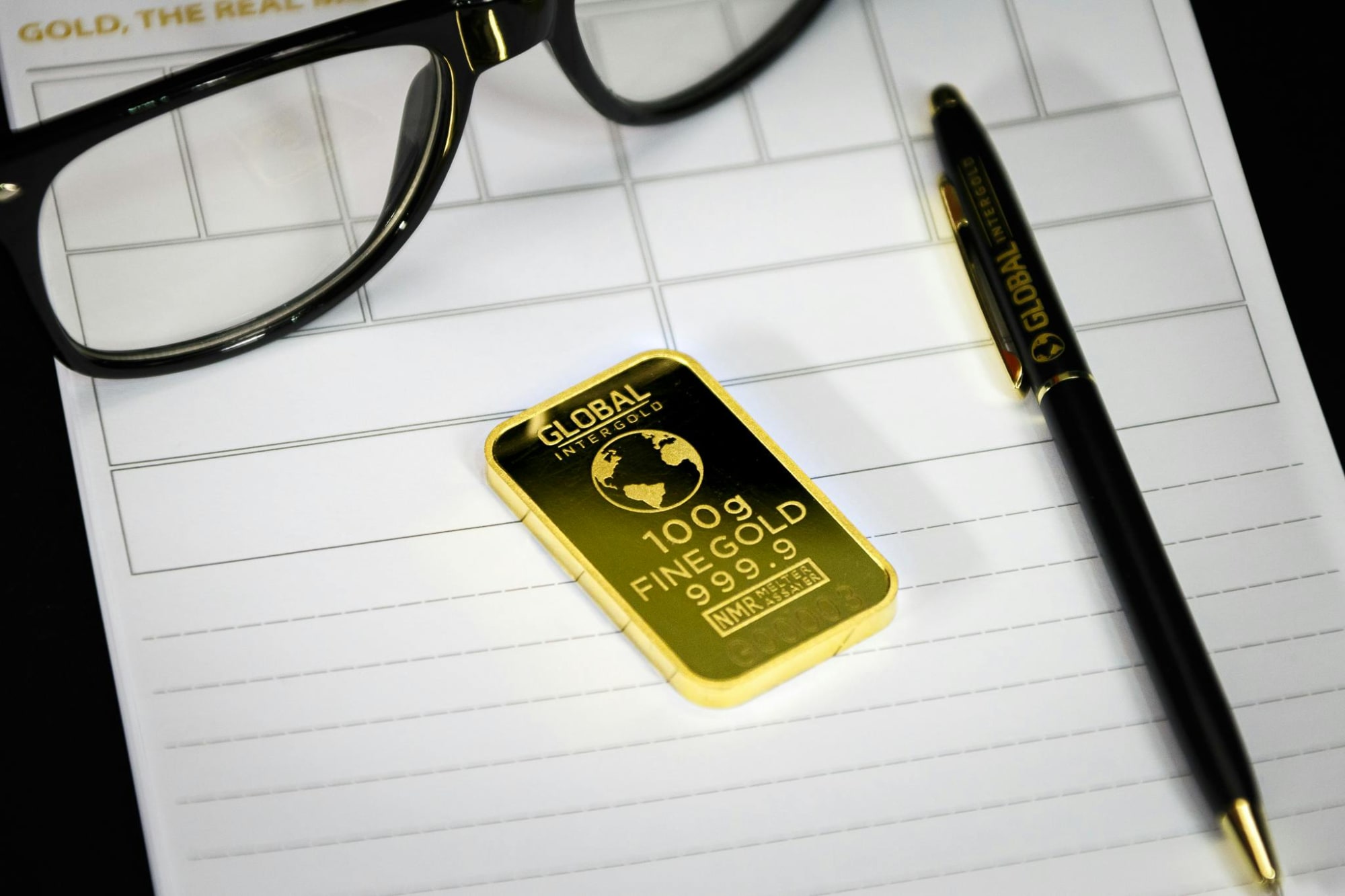
Retail investors worldwide have been particularly drawn to gold's dual appeal as a safe-haven asset and a lucrative investment, driving bar and coin demand up by 42% to 474 tonnes. This surge is most pronounced in China, where demand skyrocketed by 67% year-on-year to a record 207 tonnes, surpassing the previous high of 155 tonnes in the second quarter of 2013. The trend is mirrored across other Eastern markets, including India, South Korea, and Japan, contributing to a significant structural shift in global gold demand.
Louise Street, Senior Markets Analyst at the World Gold Council, highlighted the underlying factors driving these trends. "Gold’s volatility has markedly increased in 2026, with prices peaking above US$5,400/oz in January before a significant but contained correction," she explained. "The combination of price momentum and heightened geopolitical risk propelled investment demand, most notably in Asia, as investors sought security in physical gold."
The appeal of gold has not been confined to the East. In the United States and Europe, bar and coin demand rose by 14% and 50%, respectively. Meanwhile, physically-backed gold ETFs also experienced positive demand, with holdings increasing by 62 tonnes, bolstered by strong performances from Asian-listed funds, which added 84 tonnes over the quarter. However, sizeable outflows from US-listed funds in March tempered what had been a robust start to the year.
In contrast to the booming investment demand, jewellery demand has experienced a sharp decline, dropping 23% year-on-year to 300 tonnes. This decline is evident across major markets, with China, India, and the Middle East witnessing notable decreases of 32%, 19%, and 23%, respectively. Despite this, the value of jewellery demand has increased, suggesting that consumers remain willing to spend on gold, albeit in smaller quantities. "Jewellery spending is expected to remain resilient even as high prices weigh on volumes," Street noted.
Central banks have continued to play a pivotal role in supporting overall demand, adding 244 tonnes to global reserves in the first quarter. This purchasing activity exceeded both the previous quarter and the five-year average, despite some selling by official sector institutions such as the Central Bank of the Republic of Türkiye and the Central Bank of the Russian Federation. "Market activity throughout the quarter underscored gold’s unique role as an indispensable reserve asset, accessible during times of extreme market turbulence," Street added.
In Australia, the demand dynamics have also been noteworthy. Shaokai Fan, Head of Asia (ex-China) and Global Head of Central Banks at the World Gold Council, provided insights into the Australian market's response to global trends. "Australian investors continued to allocate to gold during the March quarter, adding 3.9 tonnes in bar & coins, a 23% year-on-year increase," Fan reported. This marks a significant shift from the previous year, indicating a growing preference for physical gold ownership over ETFs.
"While this suggests that more investors have opted to own and store physical gold year-to-date, a traditional response to intensifying geopolitical risks, the broader trend is that Australian investors continue to defy historically high prices and elevated volatility by adding more gold to their portfolios," Fan continued. This behaviour underscores gold's enduring role as a long-term safe haven, diversifier, and hedge against inflation and slower economic growth.
Despite the robust demand, Australia's quarterly mine production experienced a 7% year-on-year decline. Fan clarified that the factors contributing to this decline are considered more seasonal than structural.
As the global gold market navigates these dynamic shifts, the interplay between investment demand, jewellery consumption, and central bank activity will continue to shape the landscape. With geopolitical risks and economic uncertainties persisting, gold's status as a critical asset in portfolios worldwide remains unchallenged.