Invest
Gold shines as dollar weakens amid geopolitical tensions
Gold prices surged by 5% in February, reaching an impressive US$5,222 per ounce, driven by a combination of a weakening US dollar, softer US Treasury yields, and increased dip buying. This marks a significant 20% year-to-date increase for the precious metal. However, the performance varied across different currencies, with the Indian rupee and the Chinese renminbi experiencing notable fluctuations.
Gold shines as dollar weakens amid geopolitical tensions

Gold prices surged by 5% in February, reaching an impressive US$5,222 per ounce, driven by a combination of a weakening US dollar, softer US Treasury yields, and increased dip buying. This marks a significant 20% year-to-date increase for the precious metal. However, the performance varied across different currencies, with the Indian rupee and the Chinese renminbi experiencing notable fluctuations.
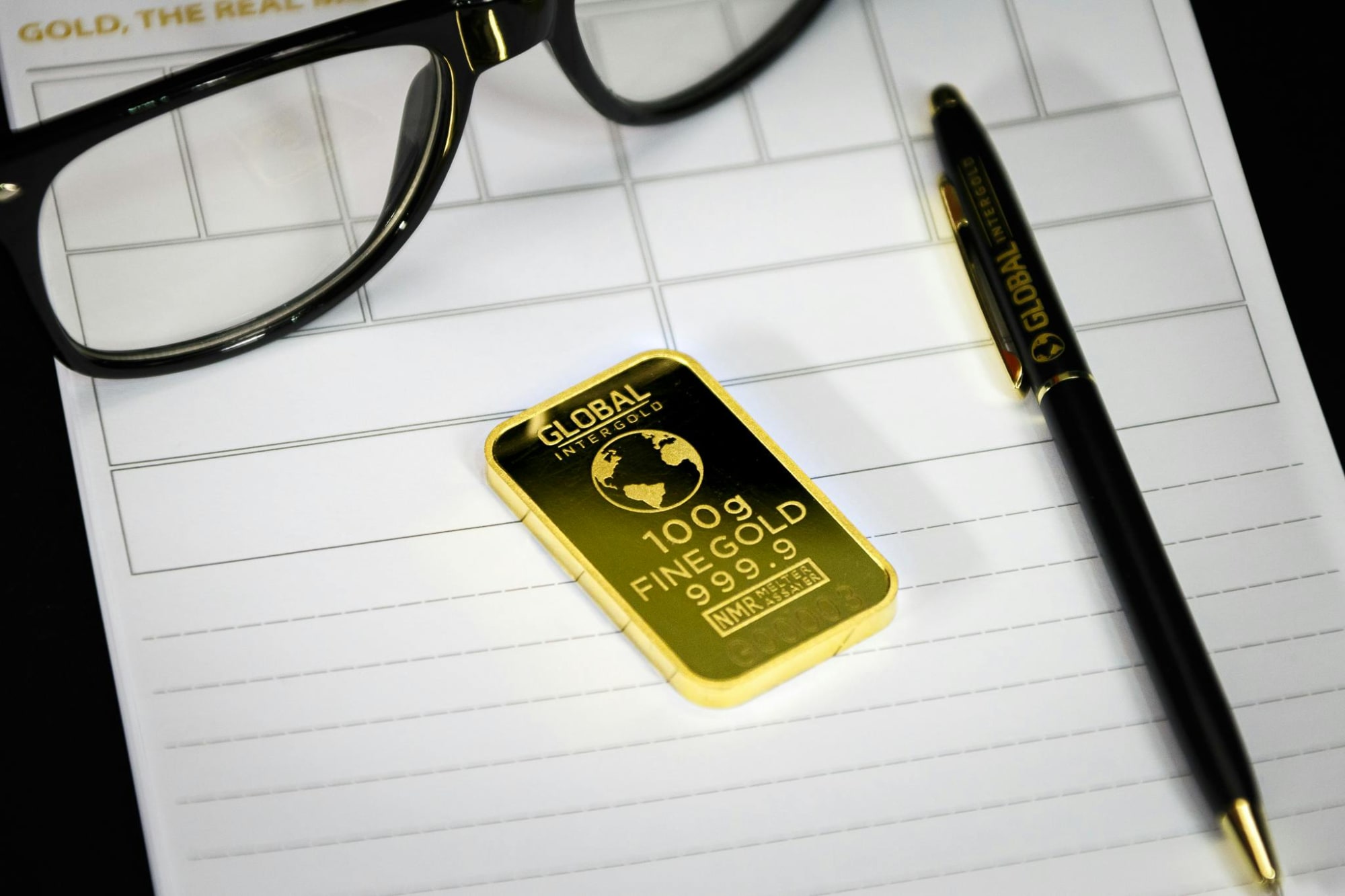
The appreciation of the Indian rupee, following tariff relief discussions with the US, led to a 3.5% drop in local gold prices. Similarly, a surge in the renminbi resulted in a decline in gold prices within China. The Gold Return Attribution Model (GRAM) indicates that the weaker US dollar, particularly against emerging market currencies, played a crucial role in gold's positive return. Additionally, lower 10-year US Treasury yields contributed to the upward trend. However, the model did not fully account for the positive return, suggesting that strong Asian buying, especially during Asian trading hours and on the Shanghai Futures Exchange, provided additional support.
Gold ETFs saw significant inflows, with US$5.3 billion added to assets in February, led by North America and Asia. Europe, on the other hand, recorded outflows of US$1.8 billion. Managed money net long positions on COMEX experienced a sharp contraction in early February, before gaining momentum towards the end of the month.
US dollar's temporary respite
The US dollar index (DXY) experienced a temporary bounce in January, avoiding a technical downside breakdown due to positive economic surprises and supportive futures positioning. However, experts believe this is merely a temporary respite. A medium-term downtrend in the US dollar is expected to resume, which could further support gold prices.
"The downward trend in the US dollar index is likely to resume post this near-term bounce and is, in our view, a key positive force for gold prices going forward," said a market analyst.
Several factors contribute to this anticipated dollar weakness. The US dollar and US equities remain expensive compared to historical standards and other countries. The "double reward" for foreign investors, consisting of strong US equities and a strong dollar, is fading, with Europe and Japan offering viable alternatives. Additionally, the weaponisation of the US dollar following the Ukraine invasion has made central banks and investors more cautious about US exposure.
Geopolitical tensions and market responses
The geopolitical landscape also played a significant role in shaping asset prices. The Middle East conflict that erupted at the end of February led to immediate reactions in the markets. Oil prices climbed, the dollar rallied, and yields softened somewhat. Gold also experienced a bounce, rising nearly 5% across two trading sessions. Historically, gold has responded positively in about two-thirds of instances where geopolitical tension has spiked significantly.
"Heightened geopolitical risk, particularly involving Iran, has contributed to the recent rally in gold prices," noted a financial strategist.
Despite the current dollar bounce being bolstered by the conflict, experts believe it is likely short-lived. A resumption in the downtrend of the dollar should continue to support gold prices.
Global gold ETF inflows
February marked the ninth consecutive month of inflows for global physically backed gold ETFs, adding US$5.3 billion. This represents the strongest two-month start to a year, as investors continue to build allocations amid elevated geopolitical risk and shifting macro conditions. Total global holdings rose to an all-time high, increasing by 26 tonnes in the month to 4,171 tonnes.
"North America once again led global demand; Asia extended its steady run of inflows, and Europe stood out as the only region to record net outflows," observed a market analyst.
North America added US$4.7 billion in February, marking its ninth consecutive month of inflows. This sustained run is notable, as it mirrors periods of elevated systemic risk, such as the Global Financial Crisis and the COVID-19 pandemic.
In contrast, Europe recorded outflows of US$1.8 billion, primarily due to heavy redemptions in the first week of February. The UK accounted for the bulk of these redemptions, reflecting its prominent share of the region's gold ETF market.
Asian funds expanded inflows for the sixth consecutive month, attracting US$2.3 billion in February. Japan led inflows in the region, supported by political uncertainty, escalating tensions with China, a weakening yen, and gold's strong performance in the currency.
Overall, the global gold market remains robust, with trading volumes averaging US$478 billion per day in February, despite a pullback from January's record high. The combination of dollar weakness, geopolitical uncertainty, and central bank diversification into gold continues to create a favourable environment for the precious metal.
RELATED ARTICLES
Commodity
Gold prices remain stable amid geopolitical tensions and market dynamics
April 2026 saw the gold market in a state of equilibrium as the precious metal ended the month flat at US$4,611 per ounce. Despite the geopolitical tensions stemming from the Middle East crisis and ...Read more

Commodity
Record gold prices continue to shift demand dynamics
In a period marked by economic uncertainty and geopolitical tensions, the allure of gold has intensified, pushing demand and prices to unprecedented heights. The World Gold Council's latest report on ...Read more

Commodity
Gold's March tumble: Unpacking the dynamics behind the decline
In a month marked by unexpected volatility, gold experienced its steepest decline since June 2013, with prices falling by 12% to US$4,608 per ounce. This dramatic downturn in March was not driven by ...Read more
Commodity
Gold’s role in Australian portfolios amid economic uncertainties
As Australia grapples with resurgent inflation and the Reserve Bank of Australia's (RBA) decision to resume interest rate hikes, the spotlight is once again on gold's strategic role in investment ...Read more

Commodity
World Gold Council unveils initiative to transform digital gold landscape
In a groundbreaking move poised to reshape the digital gold market, the World Gold Council (WGC) has announced a new initiative aimed at building a shared infrastructure to facilitate the development ...Read more
Commodity
Gold’s rally surpasses US$5,000 amid bond volatility concerns
In an extraordinary start to the year, gold prices have surged past the US$5,000 mark, marking a significant milestone in the precious metal's market. January witnessed a remarkable 14% rally, closing ...Read more
Commodity
Gold ETF inflows soar to record highs amid market volatility
In a remarkable start to the new year, global gold exchange-traded funds (ETFs) have witnessed unprecedented inflows, pushing their total assets under management (AUM) and collective holdings to ...Read more

Commodity
Gold's remarkable surge in 2025 sets the stage for a volatile 2026
Gold has experienced a stellar year in 2025, achieving over 50 all-time highs and delivering a return exceeding 60%, making it one of the top-performing assets. This impressive performance has been ...Read more
Commodity
Gold prices remain stable amid geopolitical tensions and market dynamics
April 2026 saw the gold market in a state of equilibrium as the precious metal ended the month flat at US$4,611 per ounce. Despite the geopolitical tensions stemming from the Middle East crisis and ...Read more
Commodity
Record gold prices continue to shift demand dynamics
In a period marked by economic uncertainty and geopolitical tensions, the allure of gold has intensified, pushing demand and prices to unprecedented heights. The World Gold Council's latest report on ...Read more
Commodity
Gold's March tumble: Unpacking the dynamics behind the decline
In a month marked by unexpected volatility, gold experienced its steepest decline since June 2013, with prices falling by 12% to US$4,608 per ounce. This dramatic downturn in March was not driven by ...Read more
Commodity
Gold’s role in Australian portfolios amid economic uncertainties
As Australia grapples with resurgent inflation and the Reserve Bank of Australia's (RBA) decision to resume interest rate hikes, the spotlight is once again on gold's strategic role in investment ...Read more
Commodity
World Gold Council unveils initiative to transform digital gold landscape
In a groundbreaking move poised to reshape the digital gold market, the World Gold Council (WGC) has announced a new initiative aimed at building a shared infrastructure to facilitate the development ...Read more
Commodity
Gold’s rally surpasses US$5,000 amid bond volatility concerns
In an extraordinary start to the year, gold prices have surged past the US$5,000 mark, marking a significant milestone in the precious metal's market. January witnessed a remarkable 14% rally, closing ...Read more
Commodity
Gold ETF inflows soar to record highs amid market volatility
In a remarkable start to the new year, global gold exchange-traded funds (ETFs) have witnessed unprecedented inflows, pushing their total assets under management (AUM) and collective holdings to ...Read more
Commodity
Gold's remarkable surge in 2025 sets the stage for a volatile 2026
Gold has experienced a stellar year in 2025, achieving over 50 all-time highs and delivering a return exceeding 60%, making it one of the top-performing assets. This impressive performance has been ...Read more