
In its economic update, the Queensland Investment Corporation (QIC) highlighted previously tough retail conditions that were compounded by falling house prices and a mining slowdown.
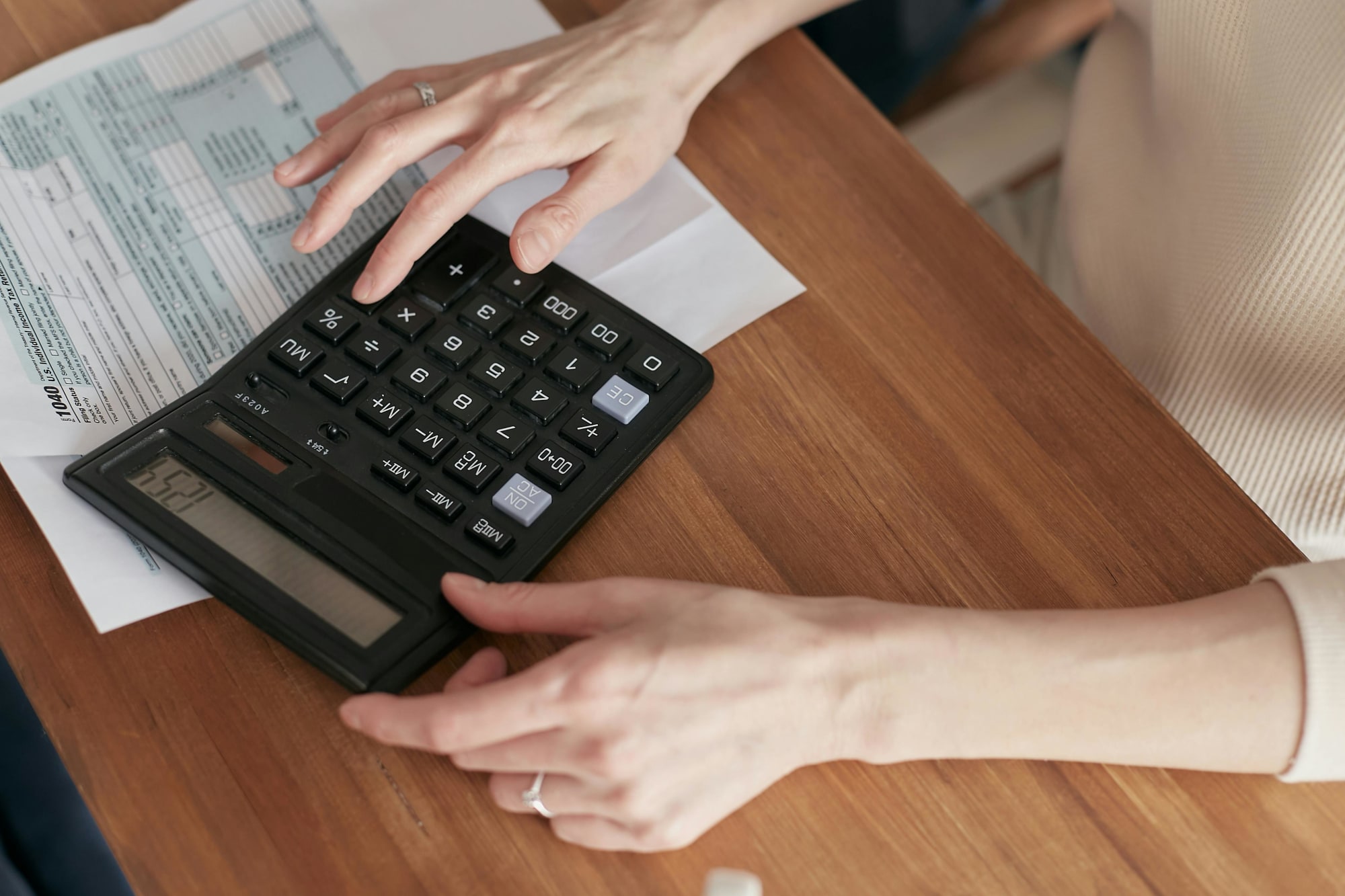
It cited optimism in the federal government’s personal income tax cuts of up to $1,080, which it estimated will boost household disposable income by $7.7 billion, or around 0.6 per cent.
Given the tax offset is directed towards low and middle-income earners and is a lump sum, QIC estimated that around two-thirds of the money will be spent rather than saved.
This will boost consumer spending by around 0.4 percentage points in 2019-20.

Based on information from the 2009 tax cuts, QIC considered that around 70 per cent of the additional spending by consumers would be on retail goods, implying a boost to retail sales of around 1.1 percentage points.
Combining the tax cuts with interest rate cuts and house price stabilisation, the QIC is expecting annual average retail sales growth to pick up to around 3.8 per cent in 2020.
Across the states, Victoria is predicted to outperform the other states in retail over the next decade due to stronger population growth, but Queensland and Western Australia are still expected to benefit in the retail sector due to improved mining conditions.
For NSW, the retail sector is predicted to see slow improvement as the housing market stabilises, but this is predicted to be on a smaller scale than seen in previous years.