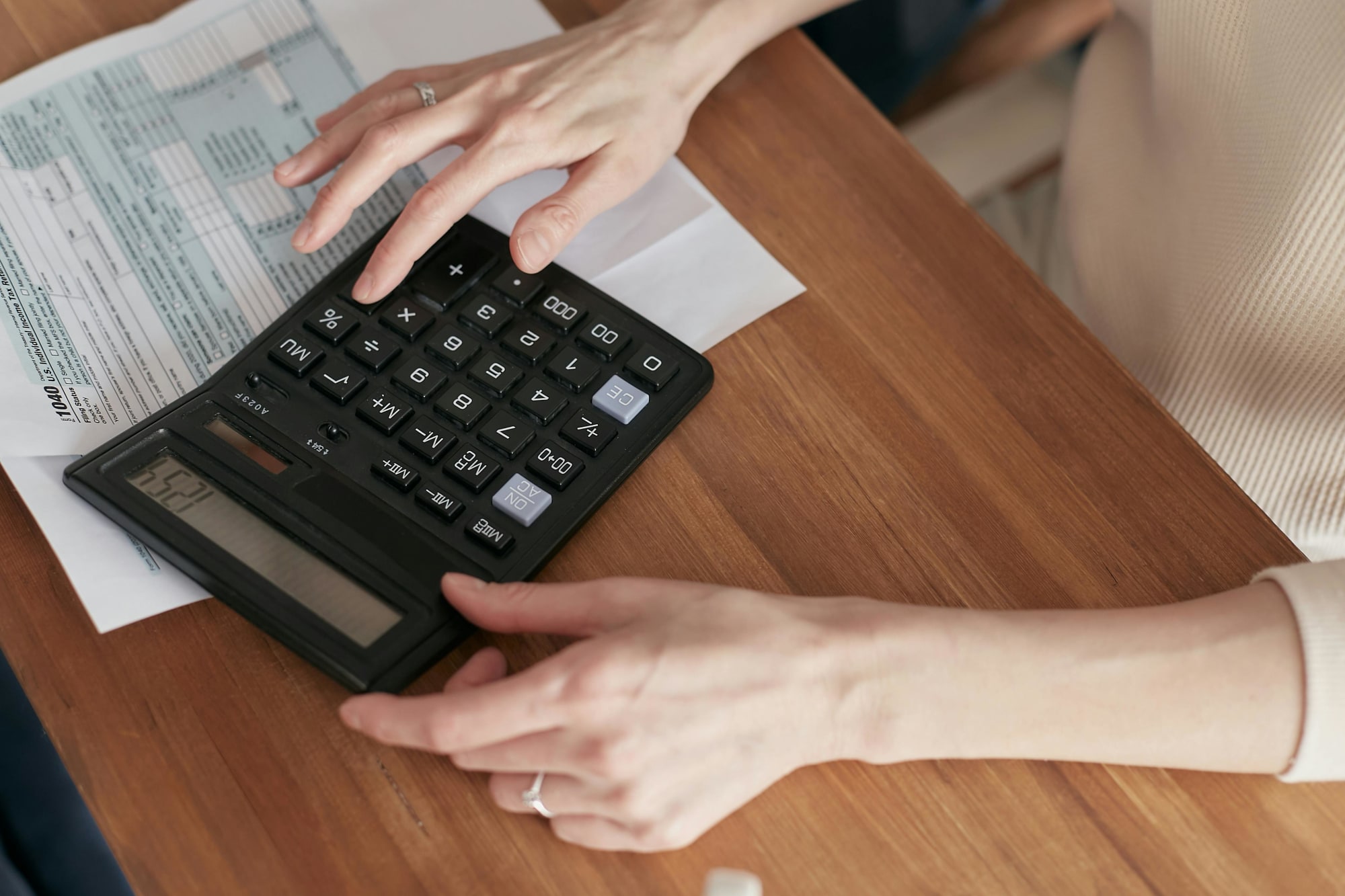
As June 30 fast approaches, investors are encouraged to revisit their common tax deduction claims as the ATO turns its attention towards property investment.
According to Mark Chapman, H&R Block’s director of communications, the taxation office has been homing in on the deductions claimed by property investors to ensure they are only issuing claims for legitimate expenses.
Here are some common tax deductions investors may misguidedly claim.
Property repairs

Mr Chapman said he frequently sees taxpayers attempt to claim repairs conducted on a property they recently purchased.
In this situation, the ATO very often will reject the claim on the basis that the investor was likely aware of the damage when they purchased the dwelling and, as such, the fault would have been priced into the amount paid for the property.
“That’s an argument they [the taxation office] make quite regularly that catches taxpayers out,” Mr Chapman told Nest Egg.
“So, if you are making repair claims within a short time of acquiring the property, you need to be really careful because you can potentially get caught out by the ATO.”
Holiday homes
Holiday home owners should be cautious of claiming deductions for periods when they’re inhabiting the property or renting it out to family or friends for subsidised rent, Mr Chapman warned.
“You are only entitled to claim tax deductions for the period that the property is actually rented out, not the period you’re using it yourself or giving it to your friends or family,” he stated.
Income
Mr Chapman noted that the ATO is increasingly on the look out for couples attempting to manipulate the split of income and tax deductions.
He said couples that currently set up to have most of the income paid to the lower-earning spouse and the deductions to the higher-earning spouse should beware.
“That’s not appropriate. If you’re a married couple, for example, it’s all got to be split 50/50,” Mr Chapman said.
“So, if you’re a property owner, make sure you claim only what you’re entitled to, and for all of these expenses, make sure you have the substantiation — the receipt, the invoice, the bank statement — that proves you incurred the expense,” he concluded.