CSBA has conducted new research for Qantas Super that has revealed a correlation between lower levels of personal wealth and an individual’s engagement with, and trust in, their super fund.
Lower levels of personal wealth was also attributable to an individual’s lower confidence in having enough money for a comfortable retirement.
Results revealed that the “working class” segment – which included a number of middle-aged Australians with low to medium income – rated their retirement confidence just 2.8 out of 10.
“Survivors” – which Qantas Super indicated included many young single parents with low income – were even less confident.
They rated their confidence for a comfortable retirement as just 1.4 out of the possible 10.
Together, these two segments represent an estimated 7.4 million adult Australians, according to the analysis.
The low levels of confidence flow through to the actions and apprehensions: Members displaying low confidence in their retirement were also less engaged and had lower trust levels in their super fund to act in their best interest.
The data found that less than half (48 per cent) of the working class and survivor segments interacted with their superannuation more than once a year, compared with almost 80 per cent of wealthier Australians.
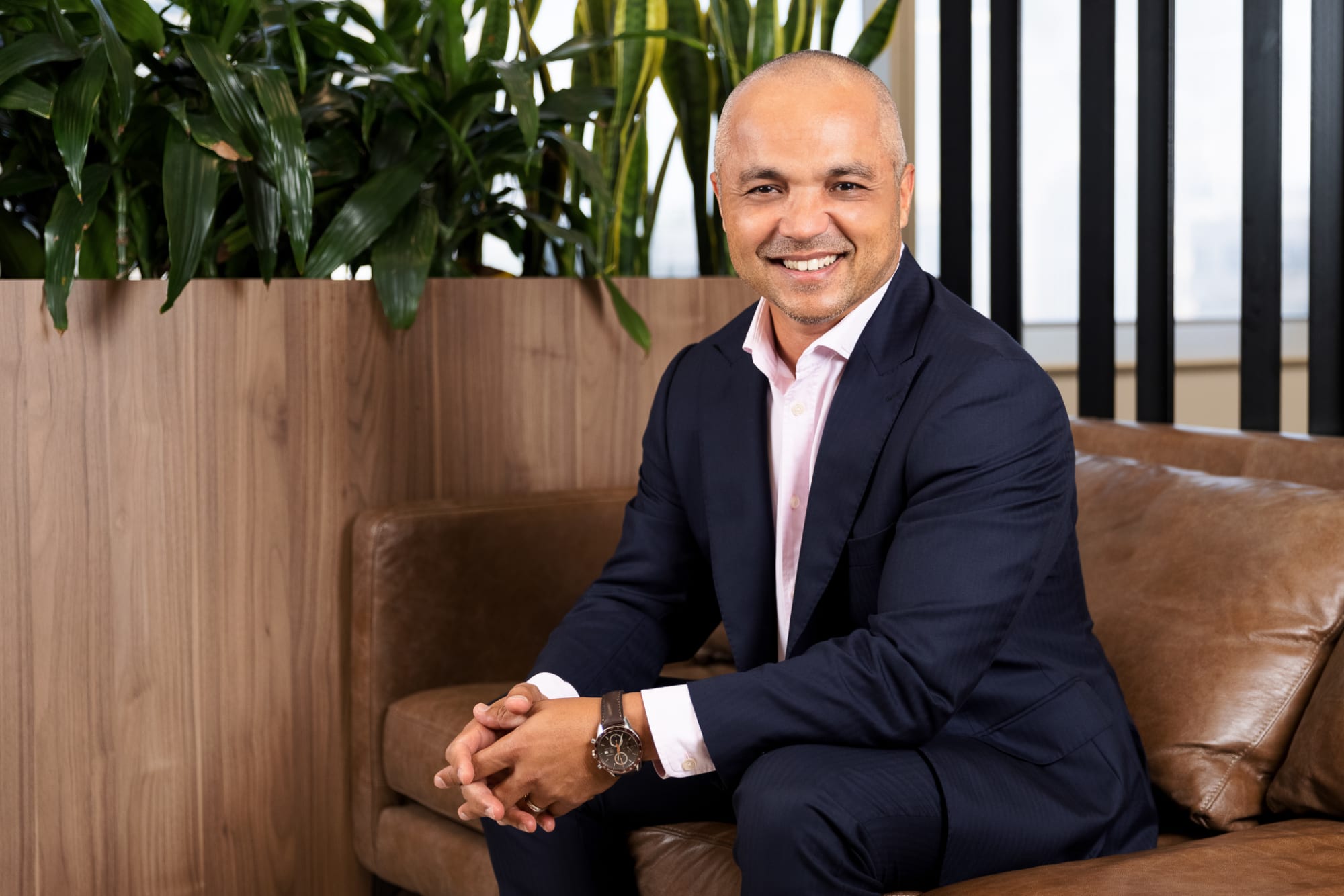
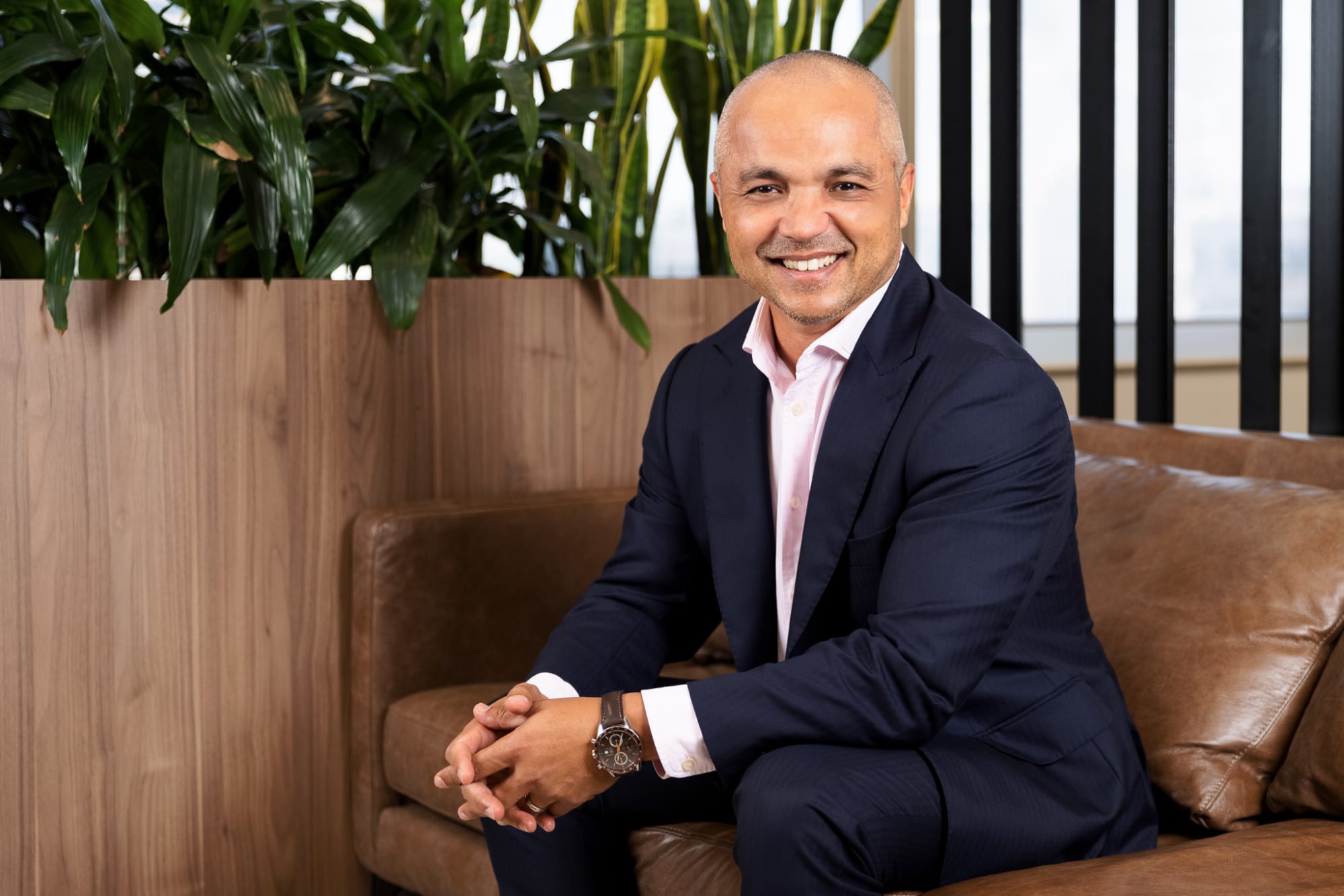
Qantas Super CEO Michael Clancy has commented on the research, stating that: “All of us in the superannuation industry should be really concerned that millions of Aussies have such little confidence that they will have enough money to have a comfortable retirement.”

He considered that super funds “must act to improve their interaction with all of their members, especially the working class and survivors, as the COVID-19 crisis brings so much uncertainty about the future”.
About the author