



Invest
FHBs should weigh the pros and cons before buying an apartment
If you’re considering an apartment as your first property purchase, you probably aren’t the only one.
FHBs should weigh the pros and cons before buying an apartment
If you’re considering an apartment as your first property purchase, you probably aren’t the only one.

There are plenty of upsides and downsides to making an apartment your first property investment.
Speaking to nestegg, Aussie Home Loans senior broker Peter Corta said that the journey to becoming a first home owner could feel like a long and confusing process.
For many, it’s hard enough to find a property you can afford. Let alone one that suits your preferences or buying strategy.
Deciding between an apartment or house can be a particularly difficult decision for some, but Mr Corta argued that there are some clear upsides to going with the former over the latter.
“If you opt for an apartment, it may give you more choice when it comes to location, especially if you’re wanting to buy in an inner-city or beachside suburb and still remain within budget, as the median property prices for apartments in these areas tends to be lower than it is for a house,” he explained.
Another key advantage that apartment investment offers comes in the form of fewer maintenance costs and responsibilities.
“When you buy a house, you’ll not only have to take care of the inside of the property but also the exterior and any gardens,” Mr Corta pointed out.
With apartments, that side of the home owner experience is a little more streamlined. That being said, you may need to factor strata management costs into your budgeting – which can be enough of a downside to deter buyers who would be better off with a house instead.
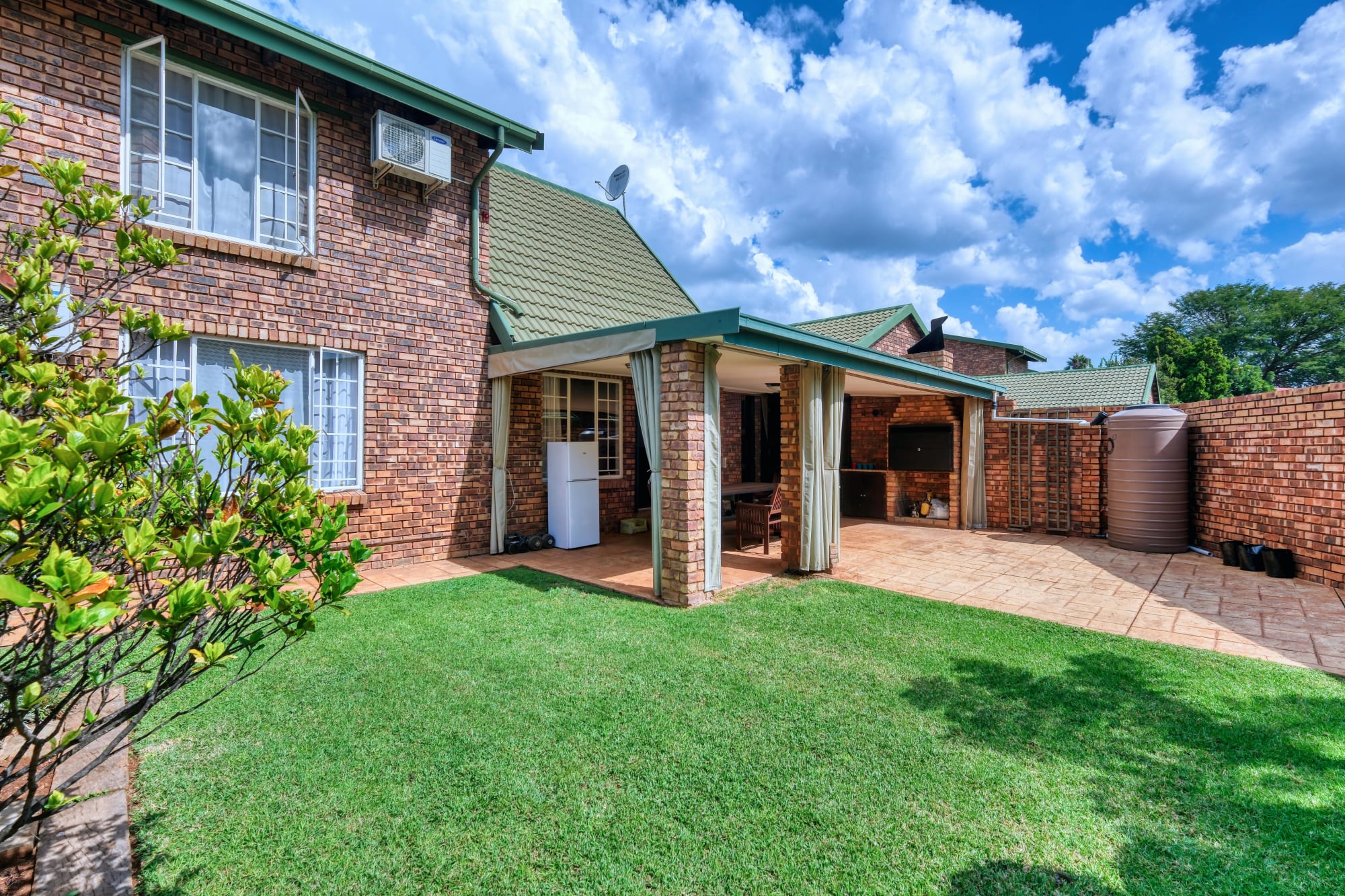
Upside Realty director of sales James Kirkland told nestegg that lockdowns during the COVID-19 pandemic have driven unprecedented desire for extra space and a backyard and that those who opt for an apartment over a house might regret missing out on these conveniences.
Buying an apartment can also limit your options when it comes to what you can and can’t change later down the line.
“If you are a self-confessed renovator, this would need to be something to considered, as you may not have as much flexibility,” he added.
That being said, the flipside of this is that many modern apartment complexes come with their own facilities.
“Looking for apartments with open plan areas, enough space for entertaining, and additional extras, such as pools or open, multi-use entertaining areas within an apartment building is a good option,” Mr Kirkland said.
Like his colleague, he reminded potential buyers that strata costs need to be included when working out whether an apartment is the right fit.
“Strata costs do need to be factored into a buyer’s budget, however, when considering these factors,” he said.
“It’s also much easier to buy in the area you really want if looking at apartments, and often you have a better chance of purchasing a first home with a better outlook or view.”
About the author

About the author

Property
Zagga's ninth anniversary sees focus on investor education in real estate private credit
In a significant milestone, Zagga, a key player in the Australian real estate sector, is celebrating its ninth anniversary with a renewed commitment to investor education. The company has grown ...Read more
Property
Australian property’s quiet pivot: resilience hides a new competitive map
Australia’s housing market remains sturdier than the macro noise suggests, but the sources of resilience have shifted. For operators, the profit pool is migrating from ‘volume at any price’ to ...Read more

Property
Gen Z’s 5% deposit rush: how policy‑driven demand is reshaping Australia’s housing value chain
A government-backed 5% deposit guarantee has triggered a surge in first-home buyer intent among Gen Z, pulling forward demand and resetting competition across banks, brokers and buildersRead more

Property
Cautious bidders, smarter sellers: a Queensland auction case study on repricing risk
Queensland’s auction market has hit a caution cycle as buyers price in higher borrowing costs, global uncertainty and cost-of-living pressure. Clearance softness is forcing agencies to re-engineer ...Read more

Property
Trust, technology and triage: what NSW’s ‘name and shame’ signals for real estate governance
NSW’s latest enforcement action on real estate trust accounts isn’t a one-off embarrassment; it’s a stress test of sector governance. With licences suspended and penalties applied, the message is ...Read more

Property
Vacancy is rising, demand is resilient: A case study in defending yield as Australia’s rental cycle rebalances
After a blistering run, Australia’s rental market is loosening at the edges. Vacancy is edging up off historic lows, rent inflation is set to moderate into 2026, yet underlying demand remains ...Read more

Property
Don’t lose the deposit: A case study in stopping real estate payment fraud — and the ROI for doing it
Deposit redirection scams are quietly eroding buyer savings and agency reputations in Australia’s property market. This case study unpacks how a mid-tier real estate group redesigned its settlement ...Read more

Property
The $12m threshold: Why portfolio value, not property count, now defines Australia’s investor elite
The old yardstick of six properties as shorthand for investment success has been overtaken by a harsher reality: in today’s market, elite status is defined by balance-sheet strength, not asset countRead more
Property
Zagga's ninth anniversary sees focus on investor education in real estate private credit
In a significant milestone, Zagga, a key player in the Australian real estate sector, is celebrating its ninth anniversary with a renewed commitment to investor education. The company has grown ...Read more
Property
Australian property’s quiet pivot: resilience hides a new competitive map
Australia’s housing market remains sturdier than the macro noise suggests, but the sources of resilience have shifted. For operators, the profit pool is migrating from ‘volume at any price’ to ...Read more
Property
Gen Z’s 5% deposit rush: how policy‑driven demand is reshaping Australia’s housing value chain
A government-backed 5% deposit guarantee has triggered a surge in first-home buyer intent among Gen Z, pulling forward demand and resetting competition across banks, brokers and buildersRead more
Property
Cautious bidders, smarter sellers: a Queensland auction case study on repricing risk
Queensland’s auction market has hit a caution cycle as buyers price in higher borrowing costs, global uncertainty and cost-of-living pressure. Clearance softness is forcing agencies to re-engineer ...Read more
Property
Trust, technology and triage: what NSW’s ‘name and shame’ signals for real estate governance
NSW’s latest enforcement action on real estate trust accounts isn’t a one-off embarrassment; it’s a stress test of sector governance. With licences suspended and penalties applied, the message is ...Read more
Property
Vacancy is rising, demand is resilient: A case study in defending yield as Australia’s rental cycle rebalances
After a blistering run, Australia’s rental market is loosening at the edges. Vacancy is edging up off historic lows, rent inflation is set to moderate into 2026, yet underlying demand remains ...Read more
Property
Don’t lose the deposit: A case study in stopping real estate payment fraud — and the ROI for doing it
Deposit redirection scams are quietly eroding buyer savings and agency reputations in Australia’s property market. This case study unpacks how a mid-tier real estate group redesigned its settlement ...Read more
Property
The $12m threshold: Why portfolio value, not property count, now defines Australia’s investor elite
The old yardstick of six properties as shorthand for investment success has been overtaken by a harsher reality: in today’s market, elite status is defined by balance-sheet strength, not asset countRead more