



Invest
Aussie property’s feng shui future says a lot about us: Bernard Salt
Australian homes have been influenced by English, Greek and Italian lifestyles over previous decades but feng shui could be the next element to boost a property’s value.
Aussie property’s feng shui future says a lot about us: Bernard Salt

Australian homes have been influenced by English, Greek and Italian lifestyles over previous decades but feng shui could be the next element to boost a property’s value.

That’s according to demographer and social commentator Bernard Salt. Speaking at FIIG’s high yield investment conference in Sydney recently, he said Australian homes will continue to evolve and could become more Indian, Arabic and Asian.
Mr Salt argued that in 2028, having a home where the front and back door line up would be a good way to drive prices down. Why? “It’s bad feng shui.”
“The energy goes straight through the house. Anglo eyes can't see it, but if I wanted to maximise the number of people competing for my property in 2028, I would start to contort and configure my property to reflect those principles because we are an absorbent culture,” he said.
Mr Salt said this is the latest iteration of Australians’ fascination with the outside world.
Unlike Americans, who as a culture are “unimpressed with anything outside of America”, Australians measure social sophistication by the integration of foreign designs, ideas and lifestyles into their own.
He explained that this has been the case since the arrival of Italian and Greek immigrants decades ago.
“The Greeks, Italians arrived here in the 1950s and went, ‘What the hell are you Australians doing living in an English house? You’re living in a Mediterranean climate, you should be living in an indoor–outdoor [set up],’” Mr Salt said.
Continuing, he said that while it took Australians 30 years to cotton-on to the Mediterranean style of al fresco living, the fact that we have is testament to Australia’s nature as the “most plastic, pliable, absorbent, changeable consumer market on earth”.
“We see social sophistication around these attributes. We take our guests down the hallway and we live around an island bench,” Mr Salt said.
“It means the island bench must move upmarket, it's now marble. Rising out the centre of it is a silver Grohe tap. Tap-wear is now the new silver wear.
“It matters to the colonial Australians; they use Italian marble, German tap wear, Danish closing mechanisms in the soft closing drawers. We're a colonial, aspirational people much impressed by what's out there.”
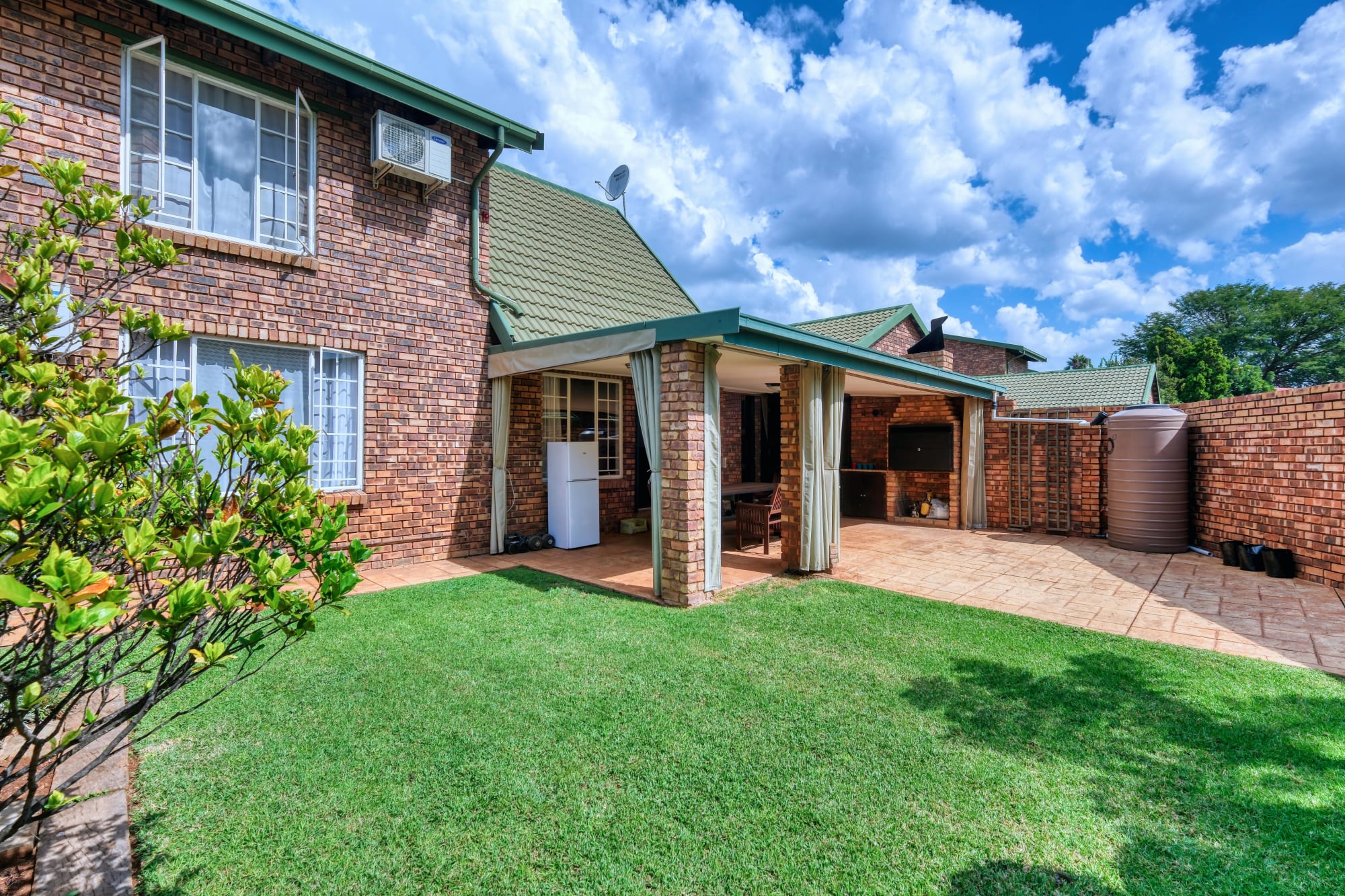
These days, the al fresco dining area (which used to be a veranda or a deck) will now feature a BBQ with a wok burner.
“You can see the direction this is moving in. The question I have, is this peak house? Is this what the Australian house will look like in 2028? Or will it continually evolve? I say it will continually evolve,” Mr Salt said.
The demographer said Australians' adaptability could be the country's greatest boon in the face of rising globalisation and places it in good stead to be one of the most prosperous nations for the next century.

Property
Zagga's ninth anniversary sees focus on investor education in real estate private credit
In a significant milestone, Zagga, a key player in the Australian real estate sector, is celebrating its ninth anniversary with a renewed commitment to investor education. The company has grown ...Read more
Property
Australian property’s quiet pivot: resilience hides a new competitive map
Australia’s housing market remains sturdier than the macro noise suggests, but the sources of resilience have shifted. For operators, the profit pool is migrating from ‘volume at any price’ to ...Read more

Property
Gen Z’s 5% deposit rush: how policy‑driven demand is reshaping Australia’s housing value chain
A government-backed 5% deposit guarantee has triggered a surge in first-home buyer intent among Gen Z, pulling forward demand and resetting competition across banks, brokers and buildersRead more

Property
Cautious bidders, smarter sellers: a Queensland auction case study on repricing risk
Queensland’s auction market has hit a caution cycle as buyers price in higher borrowing costs, global uncertainty and cost-of-living pressure. Clearance softness is forcing agencies to re-engineer ...Read more

Property
Trust, technology and triage: what NSW’s ‘name and shame’ signals for real estate governance
NSW’s latest enforcement action on real estate trust accounts isn’t a one-off embarrassment; it’s a stress test of sector governance. With licences suspended and penalties applied, the message is ...Read more

Property
Vacancy is rising, demand is resilient: A case study in defending yield as Australia’s rental cycle rebalances
After a blistering run, Australia’s rental market is loosening at the edges. Vacancy is edging up off historic lows, rent inflation is set to moderate into 2026, yet underlying demand remains ...Read more

Property
Don’t lose the deposit: A case study in stopping real estate payment fraud — and the ROI for doing it
Deposit redirection scams are quietly eroding buyer savings and agency reputations in Australia’s property market. This case study unpacks how a mid-tier real estate group redesigned its settlement ...Read more

Property
The $12m threshold: Why portfolio value, not property count, now defines Australia’s investor elite
The old yardstick of six properties as shorthand for investment success has been overtaken by a harsher reality: in today’s market, elite status is defined by balance-sheet strength, not asset countRead more
Property
Zagga's ninth anniversary sees focus on investor education in real estate private credit
In a significant milestone, Zagga, a key player in the Australian real estate sector, is celebrating its ninth anniversary with a renewed commitment to investor education. The company has grown ...Read more
Property
Australian property’s quiet pivot: resilience hides a new competitive map
Australia’s housing market remains sturdier than the macro noise suggests, but the sources of resilience have shifted. For operators, the profit pool is migrating from ‘volume at any price’ to ...Read more
Property
Gen Z’s 5% deposit rush: how policy‑driven demand is reshaping Australia’s housing value chain
A government-backed 5% deposit guarantee has triggered a surge in first-home buyer intent among Gen Z, pulling forward demand and resetting competition across banks, brokers and buildersRead more
Property
Cautious bidders, smarter sellers: a Queensland auction case study on repricing risk
Queensland’s auction market has hit a caution cycle as buyers price in higher borrowing costs, global uncertainty and cost-of-living pressure. Clearance softness is forcing agencies to re-engineer ...Read more
Property
Trust, technology and triage: what NSW’s ‘name and shame’ signals for real estate governance
NSW’s latest enforcement action on real estate trust accounts isn’t a one-off embarrassment; it’s a stress test of sector governance. With licences suspended and penalties applied, the message is ...Read more
Property
Vacancy is rising, demand is resilient: A case study in defending yield as Australia’s rental cycle rebalances
After a blistering run, Australia’s rental market is loosening at the edges. Vacancy is edging up off historic lows, rent inflation is set to moderate into 2026, yet underlying demand remains ...Read more
Property
Don’t lose the deposit: A case study in stopping real estate payment fraud — and the ROI for doing it
Deposit redirection scams are quietly eroding buyer savings and agency reputations in Australia’s property market. This case study unpacks how a mid-tier real estate group redesigned its settlement ...Read more
Property
The $12m threshold: Why portfolio value, not property count, now defines Australia’s investor elite
The old yardstick of six properties as shorthand for investment success has been overtaken by a harsher reality: in today’s market, elite status is defined by balance-sheet strength, not asset countRead more