Invest
5 tax-effective renovations for your investment property
Investors may be able to receive thousands more in tax deductions on renovations by carefully choosing their fixtures, fittings and materials, according to one quantity surveyor.
5 tax-effective renovations for your investment property
Investors may be able to receive thousands more in tax deductions on renovations by carefully choosing their fixtures, fittings and materials, according to one quantity surveyor.
Mike Mortlock, managing director of MCG Quantity Surveyors, said it is possible for investors to effectively utilise depreciation to minimise tax on renovations to their investment property whilst still achieving quality results.
“By understanding what items create the most tax-effective benefits, you can make smarter choices that will add thousands to your result without having to outlay a penny more in costs,” he explained.
Here are Mr Mortlock’s top five tips to reduce tax paid when renovating:
Invest in the kitchen not the bathroom

According to Mr Mortlock, nearly all kitchen appliances are considered plant and equipment by the ATO, unlike many bathroom features. As a result, opting to revamp the cooking space over the bathroom can improve your tax outcome.
“Kitchen renovations attract higher depreciation rates than bathrooms because of the sheer quantity of assets defined as plant and equipment items – the very things that depreciate fastest under the ATO (Australian Taxation Office) guidelines,” he said.
“I’ve run some typical numbers based on a $20,000 renovation, and choosing to spend up in the kitchen instead of the bathroom can result in an additional $2,000 in deductions across the first three years.”
Carpet over tiles
Mr Mortlock recommended investors contemplate carpet or floating timber for their floor finish, as both are defined as plant and equipment by the taxation office and are considered to have a 10 to 15 year effective life, in comparison to 40 years for tiles and concrete.
“Not only are their effective lives different, but so is the way their depreciation is calculated,” he explained.
“This means different rules apply, which results in carpet classed as depreciating by 20 per cent per year and floating timber at 13.3 per cent.
“In comparison, tile and concrete receive a simple 2.5 per cent depreciation rate each year.
“So, $1,000 of carpet can give you $200 worth of deductions in year one, while tile only allows $25 per annum.”
Small plant fixtures have significant impact
In many cases, small-scale plant items with an initial value of $301 can offer an instant tax deduction, Mr Mortlock said.
“If, for example, you’re considering cost-effective approaches to cooling rooms, ceiling fans could be the way to go,” he said.
“If you have one installed for $300 or less, you’ll get a $300 deduction right away.”
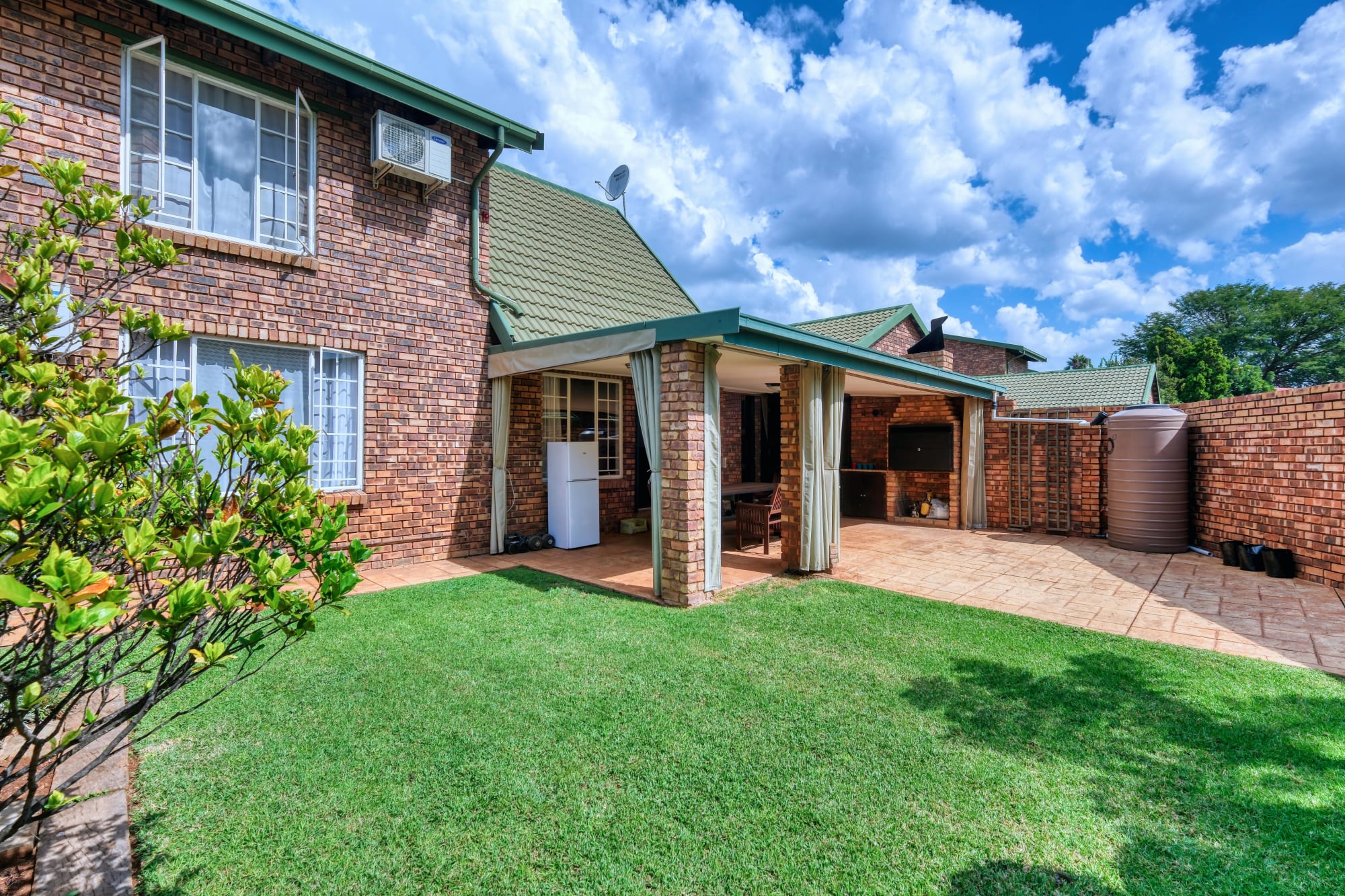
Update outdoor areas
Mr Mortlock advised investors to consider improving their rental properties by adding small outdoor extras. This, he said, can significantly maximise tax rebates.
“External fridges and barbecues, for example, help improve rental appeal while also providing excellent short-term tax deductions,” he said.
“So, while the tenants are cooking up a storm and enjoying a coldie from the fridge, you can be reducing your tax responsibilities and collect a higher rebate cheque.”
Cover windows
Lastly, Mr Mortlock identified window coverings as one of the most cost-effective means of improving a property’s value and utilising depreciation.
“They help with temperature control and filtering light, while also completing the property’s fresh, new look – and they’re a terrific tax deduction too.
“They can be purchased relatively cheaply and self-installed. Best of all, most homes have a lot of windows, so the deductable benefits are multiplied,” he concluded.
Property
Gen Z's secret weapon: Why their homebuying spree could flip Australia's housing market
A surprising share of younger Australians are preparing to buy despite affordability headwinds. One in three Gen Z Australians intend to purchase within a few years and 32 per cent say escaping rent ...Read more
Property
Tasmania’s pet-positive pivot: What landlords, BTR operators and insurers need to do now
Tasmania will soon require landlords to allow pets unless they can prove a valid reason to refuse. This is more than a tenancy tweak; it is a structural signal that the balance of power in rental ...Read more
Property
NSW underquoting crackdown: the compliance reset creating both cost and competitive edge
NSW is moving to sharply increase penalties for misleading price guides, including fines linked to agent commissions and maximum penalties up to $110,000. Behind the headlines sits a more ...Read more
Property
ANZ’s mortgage growth, profit slump: why volume without margin won’t pay the dividends
ANZ lifted home-lending volumes, yet profits fell under the weight of regulatory and restructuring costs—an object lesson in the futility of growth that doesn’t convert to margin and productivityRead more
Property
Rate pause, busy summer: where smart capital wins in Australia’s property market
With the Reserve Bank holding rates steady, the summer selling season arrives with rare predictability. Liquidity will lift, serviceability stops getting worse, and sentiment stabilises. The ...Read more
Property
The 2026 Suburb Thesis: A case study in turning trend lists into investable strategy
A new crop of ‘suburbs to watch’ is hitting headlines, but translating shortlist hype into bottom-line results requires more than a map and a mood. This case study shows how a disciplined, data-led ...Read more
Property
From signals to settlements: A case study in turning property insight into investable action
Investor confidence is rebuilding, first-home buyers are edging back, and governments are pushing supply — yet most property players still struggle to convert signals into decisive movesRead more
Property
Australia’s rental choke point: why record-low vacancies are now a boardroom issue
A tightening rental market is no longer just a housing story—it’s a macro risk, a labour challenge and a strategic opening for capital. With vacancies near historic lows and rents still rising, ...Read more
Property
Gen Z's secret weapon: Why their homebuying spree could flip Australia's housing market
A surprising share of younger Australians are preparing to buy despite affordability headwinds. One in three Gen Z Australians intend to purchase within a few years and 32 per cent say escaping rent ...Read more
Property
Tasmania’s pet-positive pivot: What landlords, BTR operators and insurers need to do now
Tasmania will soon require landlords to allow pets unless they can prove a valid reason to refuse. This is more than a tenancy tweak; it is a structural signal that the balance of power in rental ...Read more
Property
NSW underquoting crackdown: the compliance reset creating both cost and competitive edge
NSW is moving to sharply increase penalties for misleading price guides, including fines linked to agent commissions and maximum penalties up to $110,000. Behind the headlines sits a more ...Read more
Property
ANZ’s mortgage growth, profit slump: why volume without margin won’t pay the dividends
ANZ lifted home-lending volumes, yet profits fell under the weight of regulatory and restructuring costs—an object lesson in the futility of growth that doesn’t convert to margin and productivityRead more
Property
Rate pause, busy summer: where smart capital wins in Australia’s property market
With the Reserve Bank holding rates steady, the summer selling season arrives with rare predictability. Liquidity will lift, serviceability stops getting worse, and sentiment stabilises. The ...Read more
Property
The 2026 Suburb Thesis: A case study in turning trend lists into investable strategy
A new crop of ‘suburbs to watch’ is hitting headlines, but translating shortlist hype into bottom-line results requires more than a map and a mood. This case study shows how a disciplined, data-led ...Read more
Property
From signals to settlements: A case study in turning property insight into investable action
Investor confidence is rebuilding, first-home buyers are edging back, and governments are pushing supply — yet most property players still struggle to convert signals into decisive movesRead more
Property
Australia’s rental choke point: why record-low vacancies are now a boardroom issue
A tightening rental market is no longer just a housing story—it’s a macro risk, a labour challenge and a strategic opening for capital. With vacancies near historic lows and rents still rising, ...Read more