




Invest
RBA seeks actual evidence before hiking rates
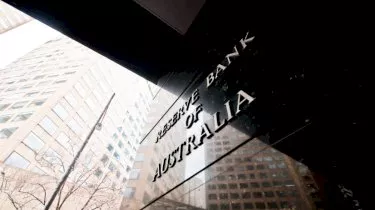
Under pressure from unprecedented economic mayhem like rising inflation bolstered by the post-COVID economic recovery, the Reserve Bank of Australia (RBA) played it safe on Tuesday and maintained interest rates at the historic low of 0.1 per cent.
RBA seeks actual evidence before hiking rates

Under pressure from unprecedented economic mayhem like rising inflation bolstered by the post-COVID economic recovery, the Reserve Bank of Australia (RBA) played it safe on Tuesday and maintained interest rates at the historic low of 0.1 per cent.

Although for now, RBA governor Philip Lowe’s decision comes as a relief for borrowers already strained by the mounting cost-of-living, the RBA warned of looming rate hikes later in the year – an ominous sign that Australia’s central bank can no longer ignore growing inflationary pressures.
In governor Lowe’s statement, he discreetly alluded to the need for additional evidence of both inflation and the “evolution of labour costs” before the board can decide to hike rates in coming months.
It's a likely outcome if the March quarterly Consumer Price Index (CPI) indicates an economy bolstered by bigger business investments, a backlog of construction being completed, and a plunging unemployment rate.
Governor Lowe’s key concluding statement was “the board will assess this and other incoming information as it sets policy to support full employment in Australia and inflation outcomes consistent with the target”.
His words have reverberated across financial sectors, with key senior experts concurring that the Board is preparing the nation for potential hikes necessary to stymie inflationary effects before they balloon out of control.
Grant Samuel Funds Management (GSFM) offered a constructively critical response to governor Lowe’s statement, saying that the RBA must now relinquish its mantra of “patience”.
“A failure to act in a timely manner runs the risk that the potential dislocation to output and employment down the track could be even greater,” GSFM said in a statement.
GSFM alluded to historical cautionary tales from the 1970s when “runaway” inflation and stagflation led to the “harsh (but necessary) [Paul] Volcker medicine of the very early ‘80s”.
Finsure CEO Simon Bednar said the RBA won’t move before it assesses the impact of the federal budget as well as the ongoing economic impact of the pandemic and the war in Ukraine.
But he also warned that mortgage holders need to prepare for any potential hikes their lenders might impose, with banks historically demonstrating their knack for hiking their own rates by 25 to 50 basis points.
Firetrail Investments’ head of investment strategy, Anthony Doyle, expects the RBA to join other central banks like the US Federal Reserve and Bank of England in hiking interest rates multiple times before the end of the year.
“The RBA’s forecast for solid domestic growth coupled with rising inflationary pressures suggests that governor Lowe and the RBA board are playing for time, delaying the inevitable increase in the cash rate until after [the] federal election,” Mr Doyle said.
It’s never an easy process for the RBA Board to decide which direction interest rates should go, having to assess the present economic outlook, as well as project where the economy will stand months from the present.
And with a nail-biting federal election edging closer, the RBA is in a potentially king-making position that could influence voter sentiment and indirectly decide the outcome of Australia’s 47th Parliament.
RELATED ARTICLES
-

Australia’s spending surprise raises the odds of a February rate move — here’s how to protect margin and momentum
-

Australia’s inflation cools to 3.4% — why the RBA’s next move still isn’t a lay‑up for business
-

Inflation cools to 3.4% — but the RBA’s reaction function keeps businesses on a knife-edge
Economy
Australia’s spending surprise raises the odds of a February rate move — here’s how to protect margin and momentum
Household outlays are running hotter than economists expected, with the latest ABS readings showing broad-based gains across services and goods. That resilience is exactly the kind of demand impulse ...Read more
Economy
Australia’s inflation cools to 3.4% — why the RBA’s next move still isn’t a lay‑up for business
Headline inflation easing is good optics; balance sheets feel something different. With year‑on‑year CPI down to 3.4% in November from 3.8%, hopes for rate relief are rising — but policymakers remain ...Read more
Economy
Inflation cools to 3.4% — but the RBA’s reaction function keeps businesses on a knife-edge
Australia’s headline CPI edged down to 3.4% year-on-year in November, from 3.8%, easing immediate pressure but not eliminating the risk of further tightening. With services inflation sticky and ...Read more

Economy
Higher-for-longer, not higher forever: How Australia’s inflation ‘surprise’ is rewriting CFO playbooks for 2026
Australia’s latest inflation pulse eased but didn’t budge bank outlooks: near‑term rate cuts are still a long shot, with some houses flagging upside risk. That steadier‑for‑longer cash rate is pushing ...Read more

Economy
Australia's inflation illusion: the real challenge lies in pricing power and productivity
Headline inflation has cooled to 3.4% year-on-year, but the Reserve Bank’s caution—and a still‑hot housing backdrop—mean the rate threat hasn’t left the room. For boards, the next few quarters are ...Read more

Economy
When house prices lift, tills ring: A case study in turning Australia’s wealth effect into growth
Australia’s latest upswing in household wealth, anchored by higher dwelling values, is more than a feel‑good statistic—it is a profit and planning signal. The ABS notes property’s centrality to ...Read more

Economy
RBA's hawkish stance reflects inflation concerns, State Street economist comments
In a recent statement, the Reserve Bank of Australia (RBA) has signaled a hawkish stance on interest rates, drawing insights from financial experts about the implications for Australia's economic ...Read more

Economy
Navigating the inflation maze: How CFOs can outsmart economic hurdles in Australia
Fresh inflation data have cooled expectations of near-term rate cuts in Australia, intensifying pressure on margins, capital allocation and demand. Rather than wait for monetary relief that may not ...Read more
Economy
Australia’s spending surprise raises the odds of a February rate move — here’s how to protect margin and momentum
Household outlays are running hotter than economists expected, with the latest ABS readings showing broad-based gains across services and goods. That resilience is exactly the kind of demand impulse ...Read more
Economy
Australia’s inflation cools to 3.4% — why the RBA’s next move still isn’t a lay‑up for business
Headline inflation easing is good optics; balance sheets feel something different. With year‑on‑year CPI down to 3.4% in November from 3.8%, hopes for rate relief are rising — but policymakers remain ...Read more
Economy
Inflation cools to 3.4% — but the RBA’s reaction function keeps businesses on a knife-edge
Australia’s headline CPI edged down to 3.4% year-on-year in November, from 3.8%, easing immediate pressure but not eliminating the risk of further tightening. With services inflation sticky and ...Read more
Economy
Higher-for-longer, not higher forever: How Australia’s inflation ‘surprise’ is rewriting CFO playbooks for 2026
Australia’s latest inflation pulse eased but didn’t budge bank outlooks: near‑term rate cuts are still a long shot, with some houses flagging upside risk. That steadier‑for‑longer cash rate is pushing ...Read more
Economy
Australia's inflation illusion: the real challenge lies in pricing power and productivity
Headline inflation has cooled to 3.4% year-on-year, but the Reserve Bank’s caution—and a still‑hot housing backdrop—mean the rate threat hasn’t left the room. For boards, the next few quarters are ...Read more
Economy
When house prices lift, tills ring: A case study in turning Australia’s wealth effect into growth
Australia’s latest upswing in household wealth, anchored by higher dwelling values, is more than a feel‑good statistic—it is a profit and planning signal. The ABS notes property’s centrality to ...Read more
Economy
RBA's hawkish stance reflects inflation concerns, State Street economist comments
In a recent statement, the Reserve Bank of Australia (RBA) has signaled a hawkish stance on interest rates, drawing insights from financial experts about the implications for Australia's economic ...Read more
Economy
Navigating the inflation maze: How CFOs can outsmart economic hurdles in Australia
Fresh inflation data have cooled expectations of near-term rate cuts in Australia, intensifying pressure on margins, capital allocation and demand. Rather than wait for monetary relief that may not ...Read more