




Invest
Online shoppers share in post-lockdown bounty
Brick and mortar retailers aren’t the only ones benefiting from a post-lockdown increase in consumer spending.
Online shoppers share in post-lockdown bounty

Brick and mortar retailers aren’t the only ones benefiting from a post-lockdown increase in consumer spending.

Online retailers didn’t fare quite as badly through Australia’s many lockdowns as physical stores did, but that hasn’t stopped them from benefiting from the economic rebound.
ShopBack Australia general manager Angus Muffet said that the share of retail spending that occurred online grew from 11.3 per cent in 2020 to 16.3 per cent in 2021.
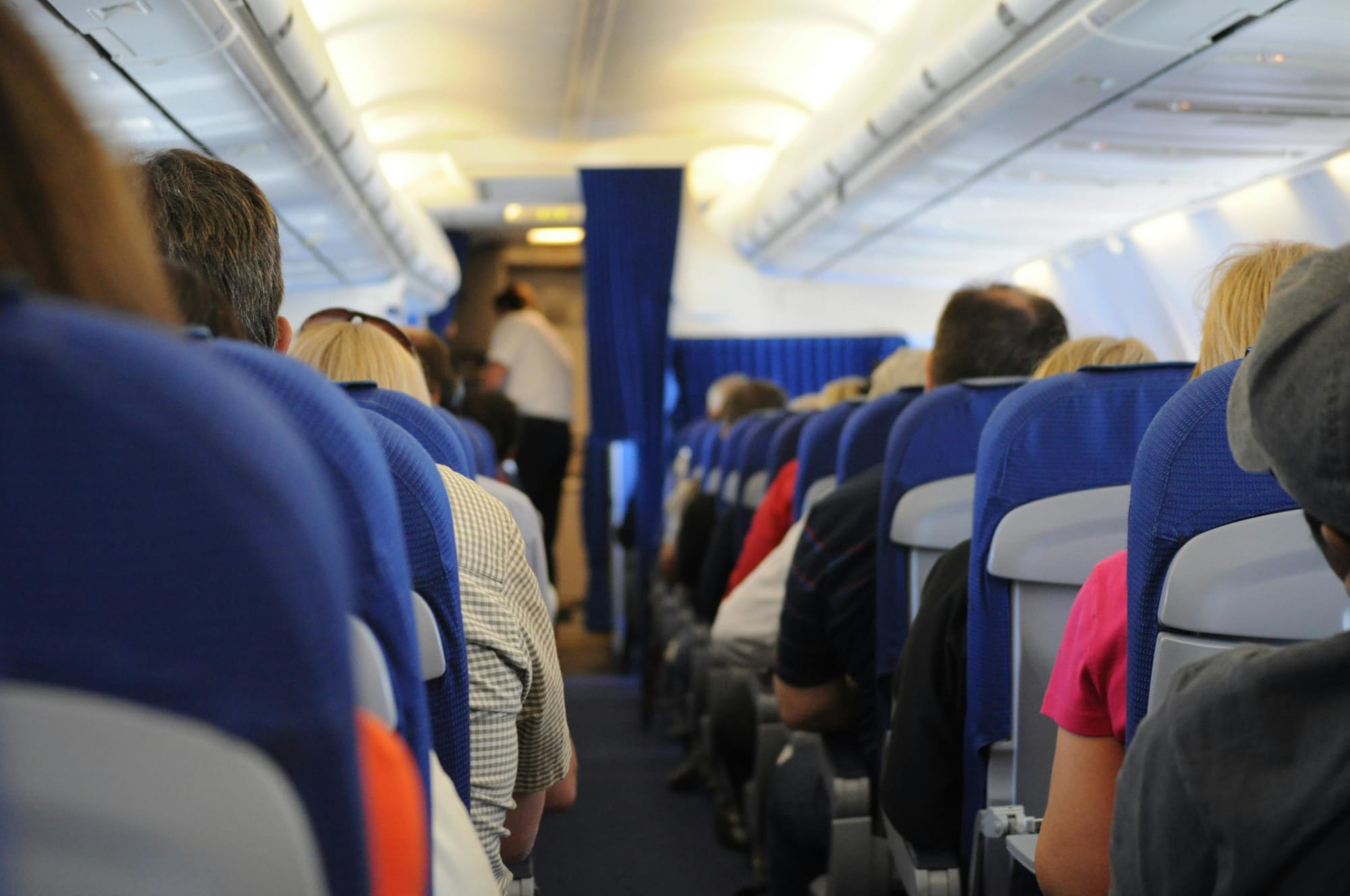
The best performer here was online travel bookings, which were up 55 per cent on pre-COVID-19 levels.
Mr Muffet noted that total online travel sales were 329 per cent higher in October 2021 than they were in October 2020, with the average online travel transaction rising from $490 in October 2020 to $1,040 in October 2021.

“With restrictions lifting and double-vaccination rates above 80 per cent, travel is now making a sharp return. ShopBack Australia’s transaction data shows a strong rise in online travel bookings in the tail end of 2021 as consumers once again have confidence to plan holidays and trips to see friends and family,” he said.
Citing data collected by cashback platform ShopBack, Mr Muffet suggested that some categories may be benefiting from the loosening of restrictions to a greater extent than others.
“For online fashion and beauty orders, total sales in both categories were 41 per cent higher in October 2021 than in October 2020,” he said.
ShopBack findings align with similar data shared by other players in the financial sector, including the Commonwealth Bank of Australia (CBA).
Earlier this month, CBA spending data revealed that national spending is on track to recover from recent lockdowns.
NSW led the way here, with weekly spending in the state said to be 23.3 per cent higher than its 2019 counterpart.
CBA found that, excluding Victoria, national weekly spending levels now sit 20 per cent than they did prior to the pandemic.
“We are seeing the economic engine rev higher again as people get out and about, catching up on lost time with friends and family,” Commonwealth Bank chief economist Stephen Halmarick said.
Mr Halmarick noted that the expected boost to in-person spending over the last few weeks had not been matched by a decrease in online spending.
“This is a pleasing indicator of underlying economic strength as consumers who have delayed their purchases during lockdown are now rushing back to the market.”
RELATED ARTICLES
-
Australia’s spending surprise raises the odds of a February rate move — here’s how to protect margin and momentum
-
Australia’s inflation cools to 3.4% — why the RBA’s next move still isn’t a lay‑up for business
-

Inflation cools to 3.4% — but the RBA’s reaction function keeps businesses on a knife-edge
About the author

About the author

Economy
Australia’s spending surprise raises the odds of a February rate move — here’s how to protect margin and momentum
Household outlays are running hotter than economists expected, with the latest ABS readings showing broad-based gains across services and goods. That resilience is exactly the kind of demand impulse ...Read more
Economy
Australia’s inflation cools to 3.4% — why the RBA’s next move still isn’t a lay‑up for business
Headline inflation easing is good optics; balance sheets feel something different. With year‑on‑year CPI down to 3.4% in November from 3.8%, hopes for rate relief are rising — but policymakers remain ...Read more
Economy
Inflation cools to 3.4% — but the RBA’s reaction function keeps businesses on a knife-edge
Australia’s headline CPI edged down to 3.4% year-on-year in November, from 3.8%, easing immediate pressure but not eliminating the risk of further tightening. With services inflation sticky and ...Read more

Economy
Higher-for-longer, not higher forever: How Australia’s inflation ‘surprise’ is rewriting CFO playbooks for 2026
Australia’s latest inflation pulse eased but didn’t budge bank outlooks: near‑term rate cuts are still a long shot, with some houses flagging upside risk. That steadier‑for‑longer cash rate is pushing ...Read more

Economy
Australia's inflation illusion: the real challenge lies in pricing power and productivity
Headline inflation has cooled to 3.4% year-on-year, but the Reserve Bank’s caution—and a still‑hot housing backdrop—mean the rate threat hasn’t left the room. For boards, the next few quarters are ...Read more

Economy
When house prices lift, tills ring: A case study in turning Australia’s wealth effect into growth
Australia’s latest upswing in household wealth, anchored by higher dwelling values, is more than a feel‑good statistic—it is a profit and planning signal. The ABS notes property’s centrality to ...Read more

Economy
RBA's hawkish stance reflects inflation concerns, State Street economist comments
In a recent statement, the Reserve Bank of Australia (RBA) has signaled a hawkish stance on interest rates, drawing insights from financial experts about the implications for Australia's economic ...Read more

Economy
Navigating the inflation maze: How CFOs can outsmart economic hurdles in Australia
Fresh inflation data have cooled expectations of near-term rate cuts in Australia, intensifying pressure on margins, capital allocation and demand. Rather than wait for monetary relief that may not ...Read more
Economy
Australia’s spending surprise raises the odds of a February rate move — here’s how to protect margin and momentum
Household outlays are running hotter than economists expected, with the latest ABS readings showing broad-based gains across services and goods. That resilience is exactly the kind of demand impulse ...Read more
Economy
Australia’s inflation cools to 3.4% — why the RBA’s next move still isn’t a lay‑up for business
Headline inflation easing is good optics; balance sheets feel something different. With year‑on‑year CPI down to 3.4% in November from 3.8%, hopes for rate relief are rising — but policymakers remain ...Read more
Economy
Inflation cools to 3.4% — but the RBA’s reaction function keeps businesses on a knife-edge
Australia’s headline CPI edged down to 3.4% year-on-year in November, from 3.8%, easing immediate pressure but not eliminating the risk of further tightening. With services inflation sticky and ...Read more
Economy
Higher-for-longer, not higher forever: How Australia’s inflation ‘surprise’ is rewriting CFO playbooks for 2026
Australia’s latest inflation pulse eased but didn’t budge bank outlooks: near‑term rate cuts are still a long shot, with some houses flagging upside risk. That steadier‑for‑longer cash rate is pushing ...Read more
Economy
Australia's inflation illusion: the real challenge lies in pricing power and productivity
Headline inflation has cooled to 3.4% year-on-year, but the Reserve Bank’s caution—and a still‑hot housing backdrop—mean the rate threat hasn’t left the room. For boards, the next few quarters are ...Read more
Economy
When house prices lift, tills ring: A case study in turning Australia’s wealth effect into growth
Australia’s latest upswing in household wealth, anchored by higher dwelling values, is more than a feel‑good statistic—it is a profit and planning signal. The ABS notes property’s centrality to ...Read more
Economy
RBA's hawkish stance reflects inflation concerns, State Street economist comments
In a recent statement, the Reserve Bank of Australia (RBA) has signaled a hawkish stance on interest rates, drawing insights from financial experts about the implications for Australia's economic ...Read more
Economy
Navigating the inflation maze: How CFOs can outsmart economic hurdles in Australia
Fresh inflation data have cooled expectations of near-term rate cuts in Australia, intensifying pressure on margins, capital allocation and demand. Rather than wait for monetary relief that may not ...Read more