





In the second reading of a climate emergency bill brought before the House of Representatives by leader of the Australian Greens and federal member for Melbourne Adam Bandt, it was argued that the legislation would declare that “we commit to secure a prosperous, jobs-rich future for ourselves and our children”.
The Climate Emergency Declaration Bill 2020 is calling for the mobilisation of government resources “to keep our citizens safe from danger”.
This would include the setting up of a “war cabinet” to aid in combating the crisis, and required government agencies to consider the climate emergency in their development of policy and the meeting of departmental obligations.
Mr Bandt said that “unless we rapidly change course away from coal, oil and gas, then life as we have always known, it will no longer exist”.
“It is not scaremongering; it is hard physics.
“And we have just had a taste of it over the last summer.”
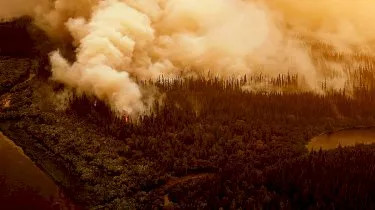
He noted Australia’s last few months of “megafires, drought, floods, hailstorms, heatwaves, toxic smoke covering cities and dust clouds swallowing up entire regional towns”.
These disasters have “shown us that global heating is now a direct and present threat to every aspect of our lives that we cherish and hold dear”.
Calling the bill “an explicit acknowledgement of how much danger we are in”, the MP’s motion was seconded by minister for Warringah, Zali Steggall.
Ms Steggall noted how the Reserve Bank of Australia has recognised the threat of a rapidly heating climate, stating that they are “now factoring a worsening climate into their modelling and decision-making when it comes to managing our economy”.
She also flagged the actions of the financial regulators, APRA and ASIC, and their guidelines on companies to report to shareholders on climate risks as it affects their businesses.
nestegg recently revealed APRA’s acknowledgement of the financial risks associated with climate change and its development of practice guides and vulnerability assessments for financial institutions.
About the author