Invest
Federal budget pivots towards long-term growth amid global challenges
In a decisive move to bolster Australia's economic resilience, the latest Federal Budget has been described as "decade-defining" by Krishna Bhimavarapu, APAC Economist at State Street Investment Management. The budget, which seeks to address productivity and capacity building, comes at a time of heightened global economic uncertainty.
Federal budget pivots towards long-term growth amid global challenges

In a decisive move to bolster Australia's economic resilience, the latest Federal Budget has been described as "decade-defining" by Krishna Bhimavarapu, APAC Economist at State Street Investment Management. The budget, which seeks to address productivity and capacity building, comes at a time of heightened global economic uncertainty.
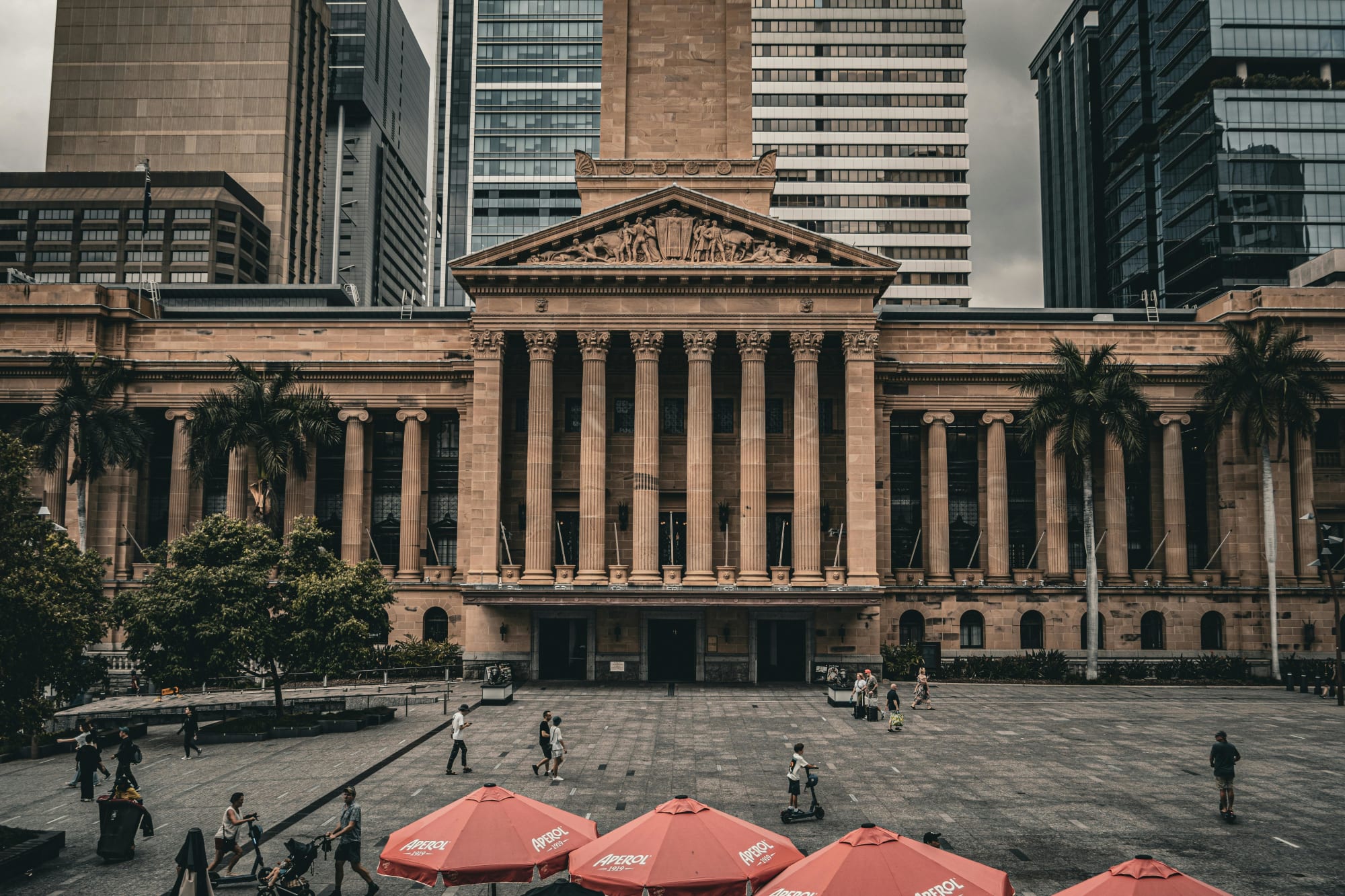
"This is a decade-defining budget for Australia, explicitly pivoting toward productivity and long-term capacity building at a time of rising global shocks," said Bhimavarapu. The government's approach marks a shift from short-term stimulus to structural reform, aiming to strengthen the nation's economic foundations.
The budget introduces significant changes, including cutting hundreds of tariffs and simplifying regulations in key sectors such as electricity markets. These reforms are designed to streamline processes and reduce costs for businesses, fostering a more conducive environment for growth. Additionally, the government has earmarked substantial funds for infrastructure spending across housing, transport, and healthcare, targeting critical supply bottlenecks.
One of the standout elements of the budget is the comprehensive housing package. Bhimavarapu highlighted the significance of this initiative, noting, "The housing package in particular stands out; calibrated changes to negative gearing and CGT alongside infrastructure support for new builds, which goes directly to the core of Australia’s affordability and capacity constraints." By addressing these issues, the government aims to alleviate pressure on the housing market and improve affordability for Australians.
The budget's focus on long-term growth is evident in its restraint from excessive short-term spending. Bhimavarapu pointed out, "From a policy perspective, the restraint is critical. The targeted tax relief and supply-side focus may allow the RBA to pause in June, but this is not a clean handover, the Bank will remain vigilant as inflation risks from energy and construction continue to linger." This cautious approach reflects the government's awareness of the ongoing inflationary pressures and the need for sustainable economic management.
Despite the budget's emphasis on long-term strategies, challenges remain. Bhimavarapu warned that inflation risks, particularly from the energy and construction sectors, could persist. "In our view, this keeps the broader tightening cycle intact: we continue to expect two additional rate hikes this year, even as growth softens and the unemployment rate trends higher toward 4.8% by year-end," he stated. This prediction underscores the delicate balance the government must maintain between fostering growth and controlling inflation.
The budget's impact on the Reserve Bank of Australia's (RBA) monetary policy is also a point of interest. The targeted tax relief and supply-side measures may provide the RBA with some leeway to pause interest rate hikes temporarily. However, the central bank is expected to remain vigilant, closely monitoring economic indicators to ensure stability.
As Australia navigates a complex global economic landscape, the Federal Budget's strategic focus on productivity and infrastructure development aims to position the nation for sustained growth. By addressing key constraints and implementing structural reforms, the government seeks to enhance Australia's economic resilience and competitiveness in the years to come.
The budget reflects a recognition of the challenges posed by external shocks and the need for a proactive approach to economic management. While the path ahead may involve navigating uncertainties, the government's commitment to long-term capacity building offers a promising outlook for Australia's economic future.
RELATED ARTICLES

Economy
Inflation dip welcomed, but employers remain cautious, says JobAdder CEO
As the Australian Bureau of Statistics (ABS) released its latest Consumer Price Index (CPI) figures today, revealing a dip in inflation, industry leaders are cautiously optimistic. However, this ...Read more

Economy
Inflation eases slightly as fuel prices drop, but other pressures remain
Australia's inflation landscape experienced a slight reprieve in April, according to the latest Consumer Price Index (CPI) data released today. The figures reveal that annual inflation has edged down ...Read more

Economy
April inflation report shows mixed signals for Australia's economic outlook
Australia's latest Consumer Price Index (CPI) data has sparked a flurry of analysis from economic experts, revealing a complex picture of the nation's inflationary landscape. State Street, a global ...Read more

Economy
Unemployment rises as job creation declines, says JobAdder CEO
In a revealing analysis of the current job market, Martin Herbst, CEO of JobAdder, has provided insights following the release of the latest Labour Force Data from the Australian Bureau of Statistics ...Read more

Economy
Labour force data reveals unexpected unemployment rise, says State Street economist
In a surprising turn of events, the latest Labour Force data has revealed a significant rise in unemployment, exceeding expectations and signalling a potential shift in the labour market narrativeRead more

Economy
Australian Made Week highlights the importance of local manufacturing in economic resilience
The spotlight is on Australia's manufacturing sector during Australian Made Week, held from May 18 to 24, as business and government leaders emphasise the need to bolster local capabilities, fortify ...Read more
Economy
Federal Budget introduces sweeping changes to tax, investment, and health care sectors
In the wake of the Federal Budget announcement last night, significant reforms are set to reshape the financial landscape for Australians, touching on everything from tax deductions to superannuation ...Read more

Economy
Hot US inflation leaves Fed’s new chair Warsh cornered on rates: deVere CEO
In a climate of escalating inflation and geopolitical tensions, the newly appointed Chair of the Federal Reserve, Kevin Warsh, finds himself in a precarious position regarding interest rate ...Read more
Economy
Inflation dip welcomed, but employers remain cautious, says JobAdder CEO
As the Australian Bureau of Statistics (ABS) released its latest Consumer Price Index (CPI) figures today, revealing a dip in inflation, industry leaders are cautiously optimistic. However, this ...Read more
Economy
Inflation eases slightly as fuel prices drop, but other pressures remain
Australia's inflation landscape experienced a slight reprieve in April, according to the latest Consumer Price Index (CPI) data released today. The figures reveal that annual inflation has edged down ...Read more
Economy
April inflation report shows mixed signals for Australia's economic outlook
Australia's latest Consumer Price Index (CPI) data has sparked a flurry of analysis from economic experts, revealing a complex picture of the nation's inflationary landscape. State Street, a global ...Read more
Economy
Unemployment rises as job creation declines, says JobAdder CEO
In a revealing analysis of the current job market, Martin Herbst, CEO of JobAdder, has provided insights following the release of the latest Labour Force Data from the Australian Bureau of Statistics ...Read more
Economy
Labour force data reveals unexpected unemployment rise, says State Street economist
In a surprising turn of events, the latest Labour Force data has revealed a significant rise in unemployment, exceeding expectations and signalling a potential shift in the labour market narrativeRead more
Economy
Australian Made Week highlights the importance of local manufacturing in economic resilience
The spotlight is on Australia's manufacturing sector during Australian Made Week, held from May 18 to 24, as business and government leaders emphasise the need to bolster local capabilities, fortify ...Read more
Economy
Federal Budget introduces sweeping changes to tax, investment, and health care sectors
In the wake of the Federal Budget announcement last night, significant reforms are set to reshape the financial landscape for Australians, touching on everything from tax deductions to superannuation ...Read more
Economy
Hot US inflation leaves Fed’s new chair Warsh cornered on rates: deVere CEO
In a climate of escalating inflation and geopolitical tensions, the newly appointed Chair of the Federal Reserve, Kevin Warsh, finds himself in a precarious position regarding interest rate ...Read more