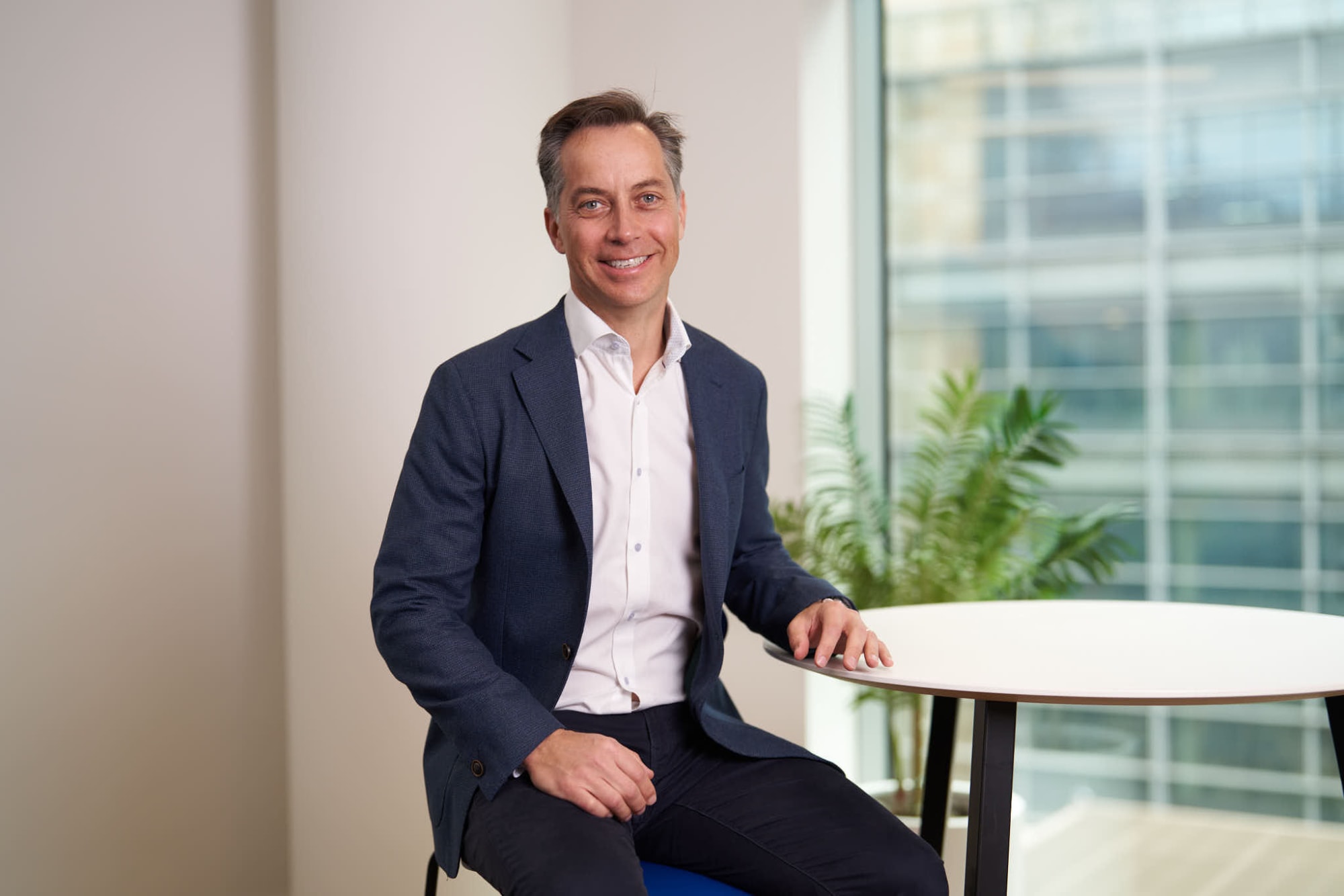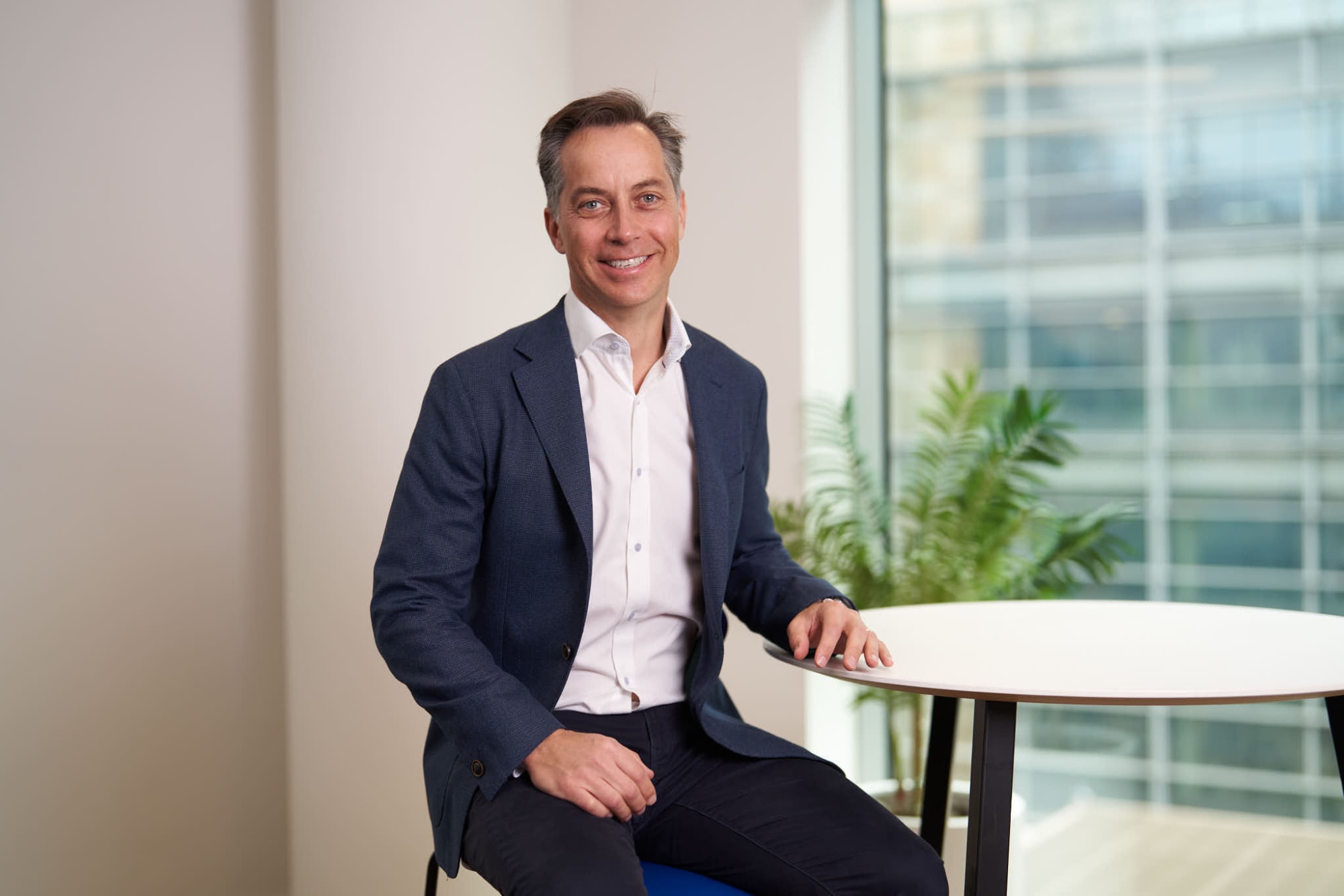
Ben Thompson, CEO and Co-Founder of Employment Hero, provided insights into the impact of the rate hike on the business landscape. "This is no surprise off the back of hotter inflation, but the decision to hike interest rates will test the resilience of Australian business owners," Thompson stated. His comments reflect a broader sentiment among business leaders who are grappling with the dual pressures of inflation and interest rate increases.
Thompson highlighted a shift in hiring practices as businesses adapt to the current economic climate. "Businesses are already hedging their bets with casual hires over permanent roles, and consumer confidence is at its lowest since July 2023," he noted. Indeed, Employment Hero's latest jobs report data underscores this trend, revealing a 9.4% increase in casual hiring year-on-year. In stark contrast, full-time and part-time employment have seen much lower growth rates of 4.2% and 2.3%, respectively.
The preference for casual hiring is indicative of the cautious approach businesses are taking in response to economic uncertainties. With global instability adding to domestic challenges, companies are prioritising flexibility and cost management over long-term commitments. Thompson warned that the latest rate hike could exacerbate this trend, stating, "Another rate hike, on top of the global uncertainty we're already navigating, will only accelerate that caution."
The impact of the interest rate increase extends beyond businesses to the broader economy, with consumer confidence emerging as a critical concern. As Thompson pointed out, consumer confidence is currently at its lowest since July 2023, a reflection of the economic uncertainty that has become a hallmark of the post-pandemic recovery period. The interplay between consumer sentiment and business hiring practices creates a feedback loop that can further influence economic outcomes.

The RBA's decision to raise interest rates is part of its broader strategy to combat inflation, which has been driven by a combination of supply chain disruptions, increased demand, and geopolitical tensions. While the central bank aims to stabilise prices, the immediate effect of higher interest rates is likely to be felt in reduced consumer spending and increased borrowing costs for businesses.
For workers, the implications of the rate hike are significant, particularly for those seeking job security. With businesses favouring casual hires, individuals looking for stable, long-term employment may find opportunities limited in the short term. As Thompson observed, "Workers looking for job security may have to wait a little longer."
The response from the business community to the interest rate hike is mixed, with some expressing concern over the potential for reduced economic growth, while others see it as a necessary step to curb inflation. However, the consensus is clear: the current economic environment requires careful navigation and strategic planning.
As Australian businesses and consumers adjust to the new interest rate landscape, the focus will likely remain on adaptability and resilience. The coming months will be critical in determining how effectively the economy can absorb these changes and what the long-term implications will be for employment and consumer confidence.
In the meantime, the RBA's actions will be closely monitored by both market participants and policymakers, as they seek to balance the competing demands of economic growth and inflation control. The outcome of this balancing act will have far-reaching consequences for the Australian economy and its recovery trajectory in the months ahead.