According to the Australian Institute of Superannuation Trustees (AIST), the newest forecasts prove the government must do more to help those suffering financial hardship.
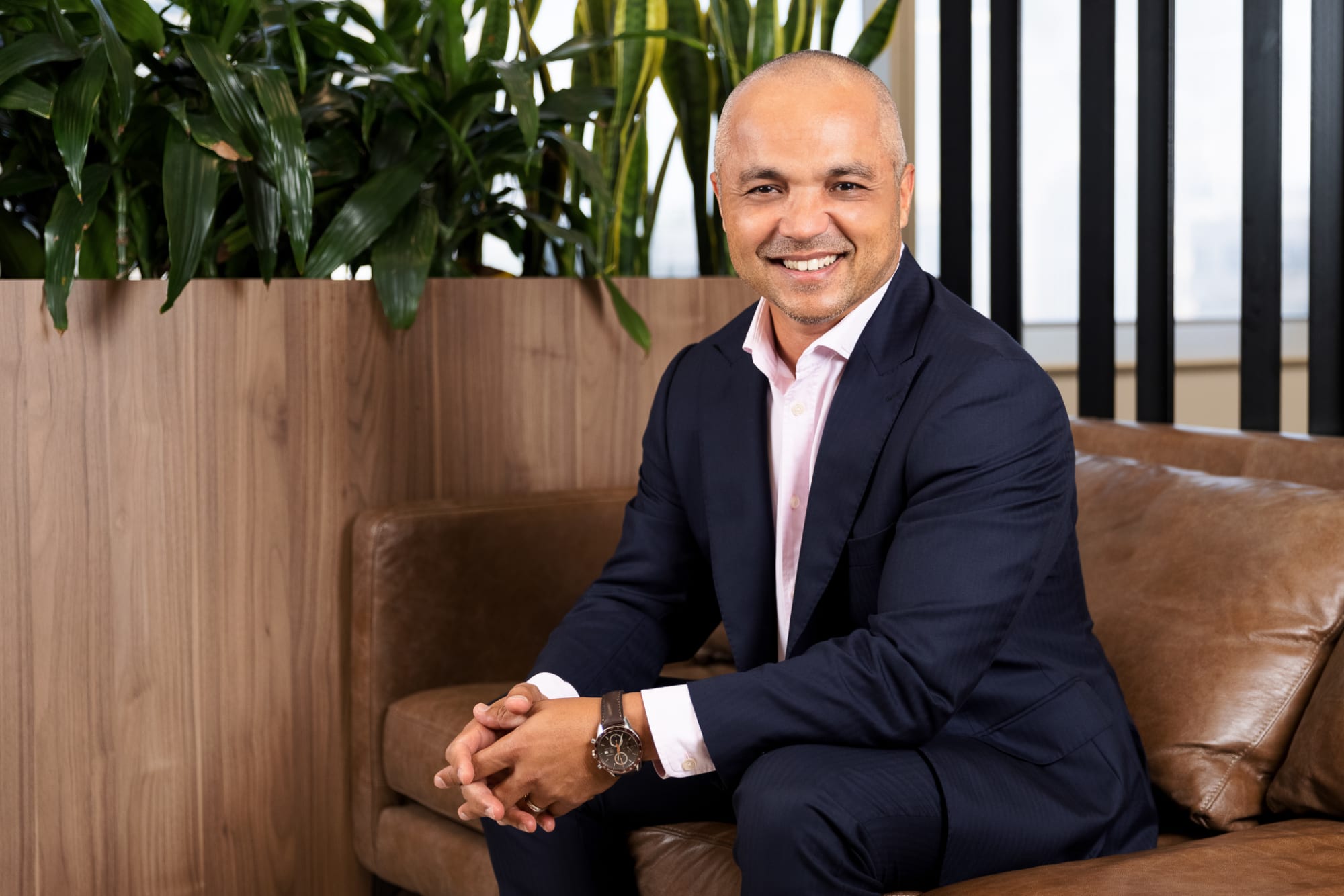
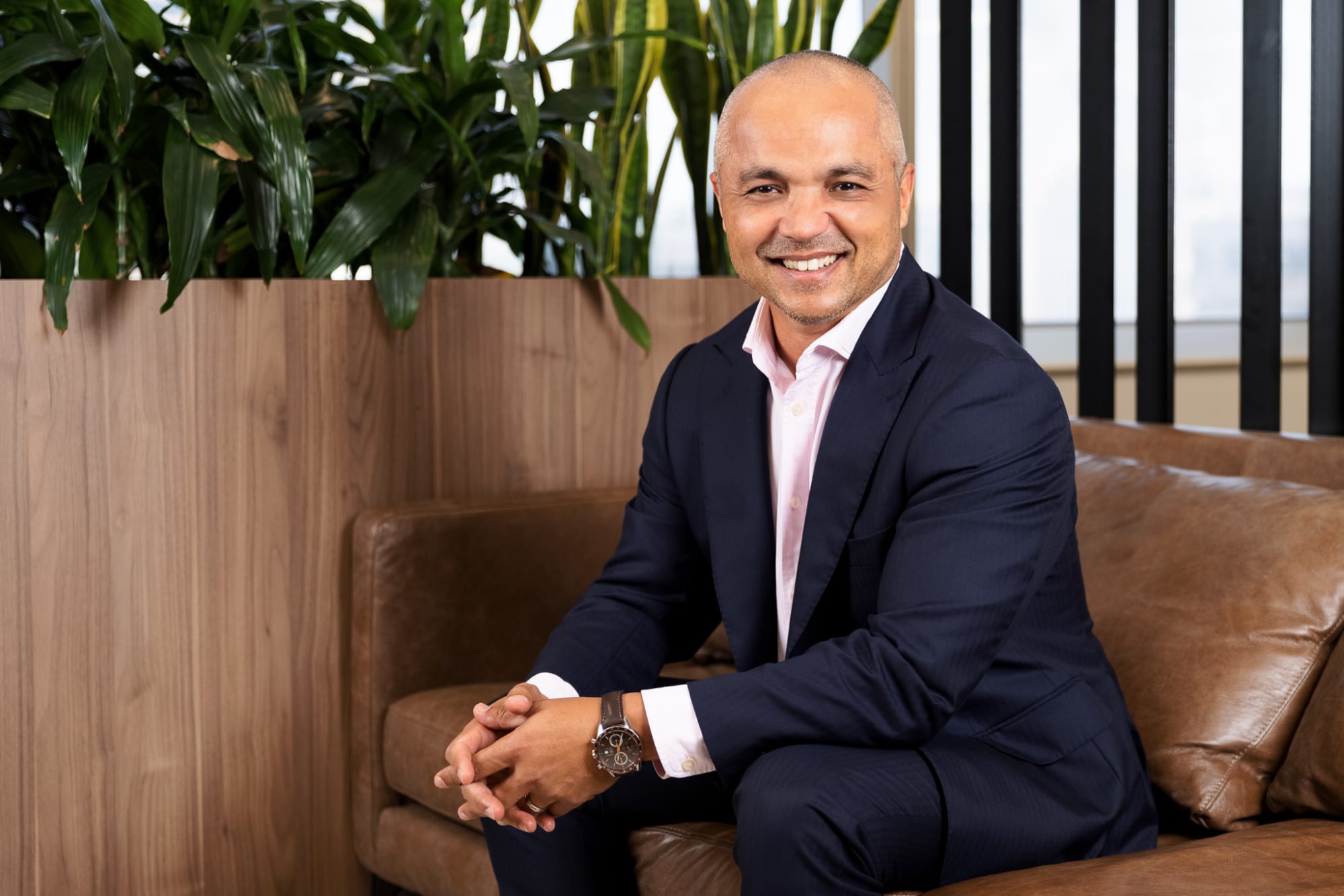
AIST CEO Eva Scheerlinck has explained that the fact so many Australians are expected to access their super suggests that “cohorts of people” are in desperate financial need and are missing out on other government support measures, like JobKeeper or JobSeeker.
“Initial government estimates of $27 billion of super being accessed have now been increased by more than 150 per cent which indicates that too many working Australians are in financial distress and unable to access sufficient government support,” she commented.
Even the $30 billion that has already been withdrawn to date will “have long-lasting consequences for low-income earners and women, in particular”, Ms Scheerlinck added.

“We understand that a great many Australians have had no choice but to rely on their super to get them through the COVID crisis, but the harsh reality is that low-income earners and women, who were already facing a retirement savings shortfall, would be hit hard by this scheme.”
The CEO added: “We know that many young women now have a zero balance in their super fund which will only exacerbate the gender super savings gap that sees many more women retire in poverty.”
The AIST has highlighted that for a 25-year-old, the cost of accessing just $20,000 from their superannuation could cost them upwards of $60,000 in retirement.
It’s one of the reasons the government needs to consider alternative income support for people in financial need due to the COVID crisis, according to the CEO.
She noted that “the COVID early release scheme is an income support system that is very expensive for individuals and cheap for the government”.
“It really should be the other way round,” Ms Scheerlinck said.
She added that global interest rates being close to zero means “the government is well positioned to borrow money that could be used to assist Australians who are struggling”.
“Meanwhile, ordinary workers are being forced to withdraw super savings that could be delivering them at least 5–7 per cent in annual interest over the long term.”
The AIST is pushing to ensure the legislated increase in the superannuation guarantee to 12 per cent still goes ahead, noting it would be critical to help boost the retirement savings of working Australians who had accessed super through the COVID scheme.
Ms Scheerlinck is also calling for additional targeted policy measures to help address the COVID super gap.
“It’s now more important than ever that we increase the compulsory super rate so that vulnerable Australians with insecure work and broken work patterns have the opportunity to retire in dignity,” she said.