The Natixis Investment Managers Global Retirement Index (GRI) assesses 44 countries on the factors that drive retirement security, providing an overall rank and percentage score as an indicator of the attractiveness of the countries involved.
Year-on-year, Australia has dropped three places from last year’s result, but did show that Australia had made improvements on the health and material wellbeing sub-indices.
The overall weaker performance was driven by lower scores on the quality of life and finances scales.
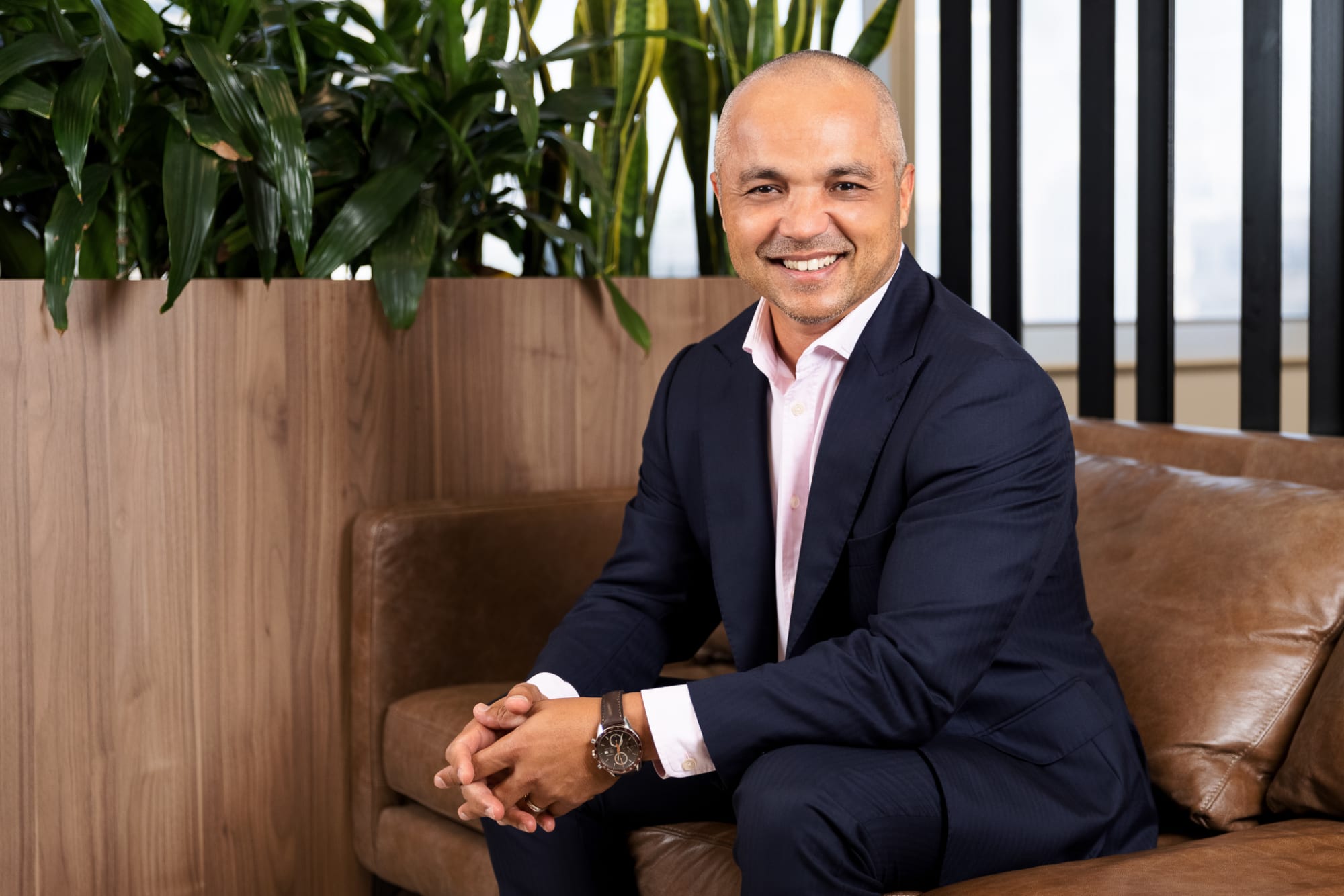
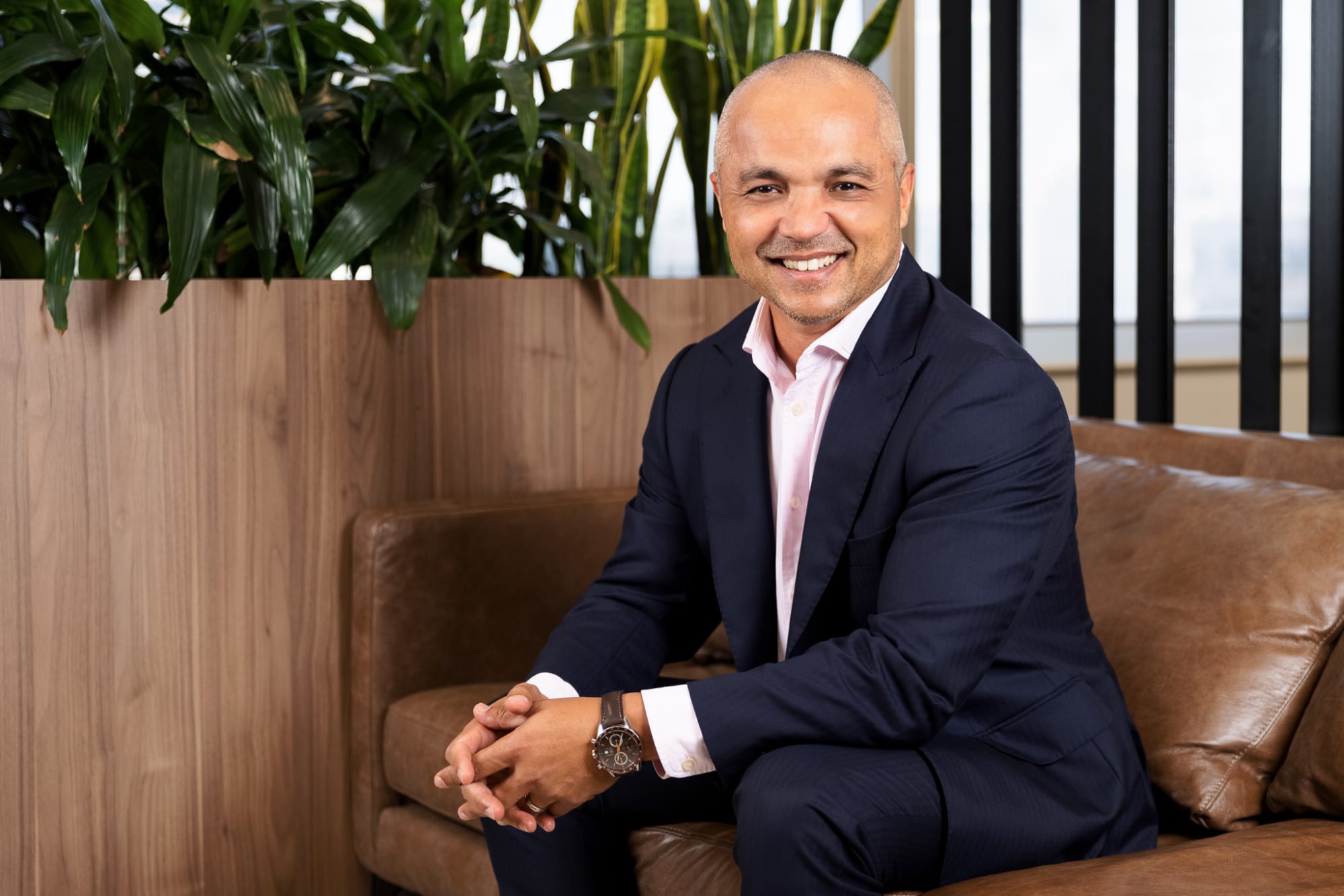
CEO of Natixis Investment Managers Damon Hambly did indicate a belief that “Australia’s superannuation system is the envy of many other countries and provides retirement security for Australians”.

However, the CEO presented the fact that “most balances are too low, particularly given [Australia’s] ageing population, which is why [the] retirement age is set to increase to 67 in 2023”.
Women are still being left behind
The GRI also revealed that women face a different set of circumstances compared with men when it comes to material wellbeing in retirement.
With women living for longer on average, and retiring younger, they are at greater risk of outliving their superannuation assets, it said.
In addition, lower levels of employment and women’s historical role as primary homemakers see women saving less for retirement, especially when combined with discriminatory wage practices.
Louise Watson, Natixis’ Australian managing director, has pointed out that “if left unchecked, the different circumstances and barriers women face could potentially derail their retirement security”.
“Australian women retire with on average 47 per cent less superannuation than men, yet they are likely to live five years longer – so, it’s really important that we work together as an industry to find ways of closing the gap,” she continued.
Old-age dependency in the spotlight
Finally, the GRI pointed to demographic imbalances in some developed countries, highlighting those countries with a relatively high proportion of working-age adults are better equipped to support retirees.
With an ageing population, Australia is facing the challenge of a higher old-age dependency ratio while tax revenues fall.
Mr Hamby flagged potential solutions including an increase to the retirement age, an encouragement of people working longer and a need to ensure long-term investment begins as soon as possible.
“As the baby boomers continue to age out of the workforce, the responsibility for contributing to the public pension system will fall more and more onto younger workers’ shoulders,” Mr Hamby flagged.
About the author